










Metal detection or X-ray?
Published · Updated
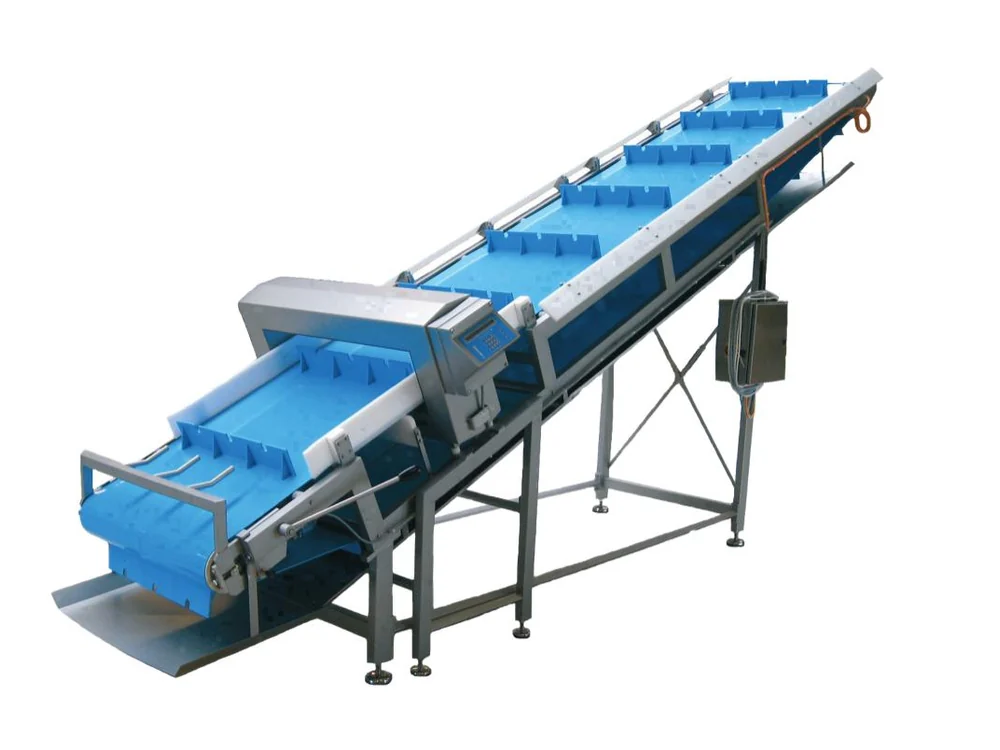
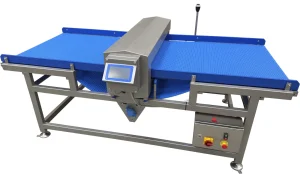
We build metal detectors. The answer is still not always a metal detector, and there is no point pretending otherwise. Here is the honest comparison.
The short version
A metal detector finds metal. X-ray inspection finds anything denser than the product — metal, glass, stone, ceramic, bone and dense plastics — and can also check fill level and missing components.
But X-ray is markedly more expensive to buy and to run, requires radiation shielding and trained personnel, and is worse than a metal detector at finding small pieces of stainless steel in thin, light products. For most food producers a metal detector is the right choice, and it is what the standards assume.
| Aspect | Metal detector | X-ray |
|---|---|---|
| Detection principle | An electromagnetic field is disturbed by conductive or magnetic material passing through the aperture. | Material absorbs X-rays according to density and thickness; the image is compared against the expected product. |
| Ferrous metal | Yes — the easiest of the three, because it is magnetic as well as conductive. | Yes, where the piece is dense and large enough to show contrast. |
| Non-ferrous metal | Yes. Harder than ferrous at the same sphere size. | Yes, density permitting. |
| Stainless steel | Yes, but the hardest of the three — a stainless sphere has to be larger than a ferrous one to be found reliably. | Yes for solid pieces; thin stainless can be missed. |
| Finds glass, stone, bone | No | Yes, where density differs sufficiently from the product |
| Thin stainless in a light product | Often better | Often worse — thin stainless gives weak contrast |
| Metallised film and foil trays | Does not work — the packaging is metal | Works |
| Product effect (wet, salted) | Reduces achievable sensitivity significantly | Unaffected |
| Fill level and missing components | No | Yes |
| Purchase cost | Lower | Typically several times higher |
| Running cost | Low. No special requirements | Higher. Shielding, generator life, trained staff, regulatory obligations |
| Space in the line | Compact | Requires more space and shielding |
| Typical application | Packed and unpacked food where metal is the realistic contamination risk, on conveyors, in free-fall, and in pumped or pipeline product. | Lines where glass, stone or bone are a real risk, where packaging is metallised, or where fill level and missing components also have to be checked. |
How to decide in practice
Choose a metal detector if your documented hazard is metal from your own process — blade fragments, machine parts, needles, sieve wire — and the packaging is not metallised. That covers the large majority of meat, seafood, dairy and bakery production.
Consider X-ray if you have a documented glass or stone hazard, if you pack in foil trays or metallised film and cannot move inspection before sealing, or if you also need to verify fill and component presence.
Consider both if you have both hazards. Many producers run a metal detector late in the line and X-ray on incoming raw material — or the other way round.
A common misconception worth naming: X-ray is not automatically "better". On a thin bag of crisps or a light, dry product, a metal detector is typically more sensitive to small stainless fragments than an X-ray system. Choose on the hazard, not the price tag.
How do you find out for your own product?
By measuring. Send a sample to our test centre and we will run it with test pieces in ferrous, non-ferrous and stainless steel and tell you what can realistically be detected. If the answer is that a metal detector cannot solve your problem, we will say so — that is faster for both of us than a quotation that goes nowhere.
Not sure what can be detected in your specific product? Send us a sample. You get a written test report with false reject rate and probability of detection — free and normally within a week.
Related: Compare the detection systems · Metallised film in bakery and snacks · What the standards require
Metal detection and X-ray — common questions
What is the difference between a metal detector and an X-ray inspection system?
A metal detector senses the disturbance that conductive or magnetic material causes in an electromagnetic field, so it finds metal only. An X-ray system measures how much radiation the product absorbs, so it can also find dense non-metallic contaminants such as glass, stone and bone — and can check fill level at the same time.
Is X-ray always better than metal detection?
No. X-ray is better at non-metallic contaminants and at metallised packaging, and it is unaffected by product effect. Metal detection is often better at thin stainless steel in a light product, costs less to buy and to run, needs less line space, and carries no radiation obligations. Which one is right depends on what you are actually trying to find.
Can a metal detector inspect product in a metallised film or foil tray?
No. The packaging is itself metal, so the detector cannot distinguish it from contamination. That is one of the few cases where X-ray is the only option.
What is product effect?
Wet, salty, warm or dense products are electrically conductive enough to produce a signal of their own, which the detector has to work around. This reduces the smallest contaminant it can reliably find. X-ray is not affected by it.
Do I need both a metal detector and an X-ray system?
Some producers run both, at different points in the line, where the contamination risks genuinely differ. For most food lines where metal is the realistic risk, a correctly specified metal detector, verified regularly with certified test pieces, is the proportionate answer.