










Metal detection for meat processing
Meat processing is one of the most demanding applications for metal detection. Products are typically wet, salted and chilled, while production lines are exposed to intensive washdown with hot, high-pressure water. At the same time, the risk of metal contamination is very real.
Since 1986, we have designed and manufactured metal detection systems specifically for these challenging conditions, combining reliable detection performance with hygienic construction built for the realities of meat production.
Most metal contamination comes from the production process itself
- Broken needles. Animals treated by injection can carry a snapped needle tip in the tissue. It is the classic incident in meat production — and the one that ends up in the press.
- Blade fragments. Deboning and separator knives shed small pieces of steel. Usually stainless, which is the hardest material to detect.
- Machine parts. Screws, springs, circlips and worn bushings from mincers, bowl cutters and conveyors.
- Maintenance. Tools and parts not accounted for after an intervention on the line.
- Clips and wire closures from packing — both a hazard and a detection problem if they sit in the product.

What we typically supply
Packing and finished goods
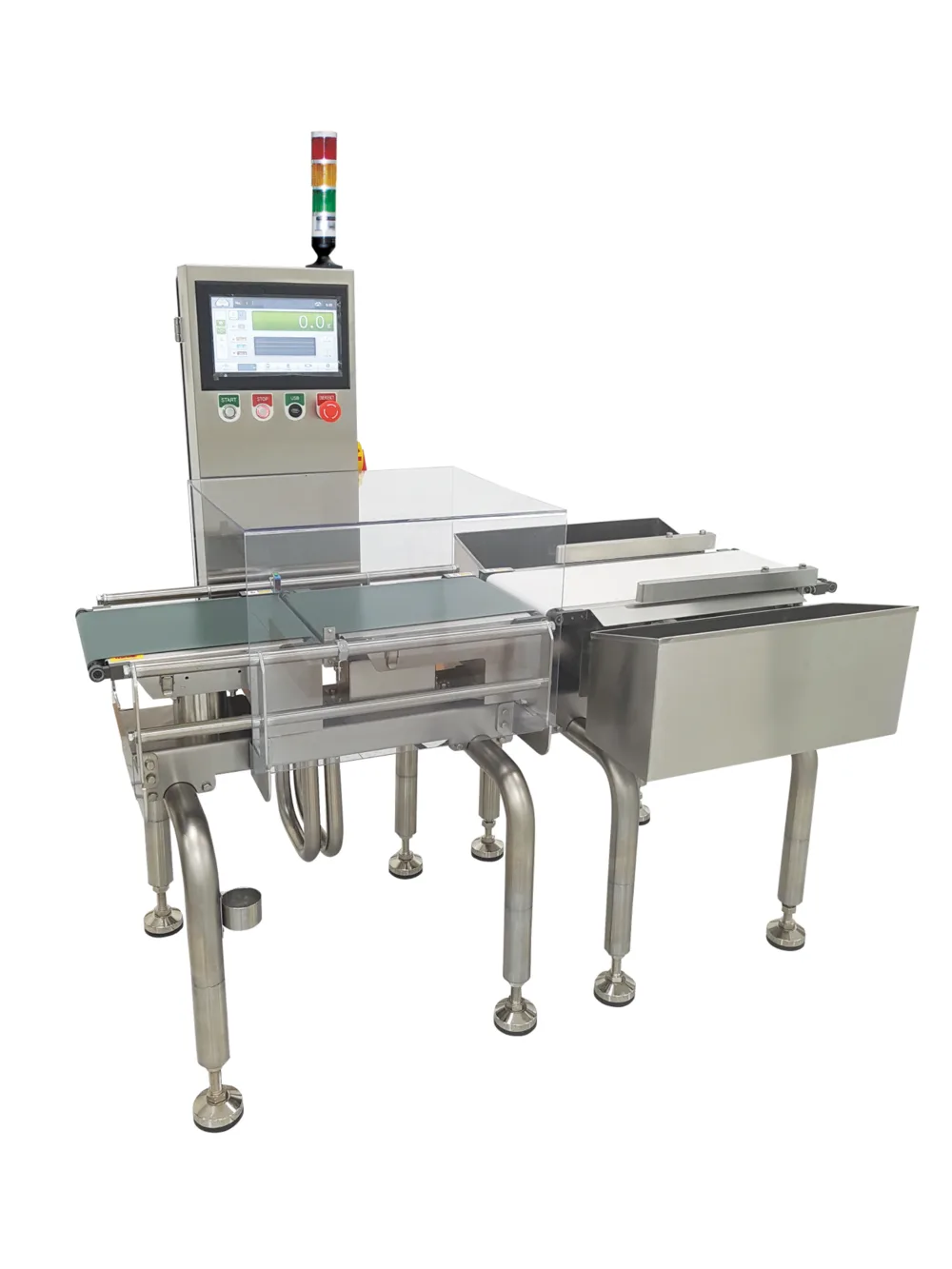
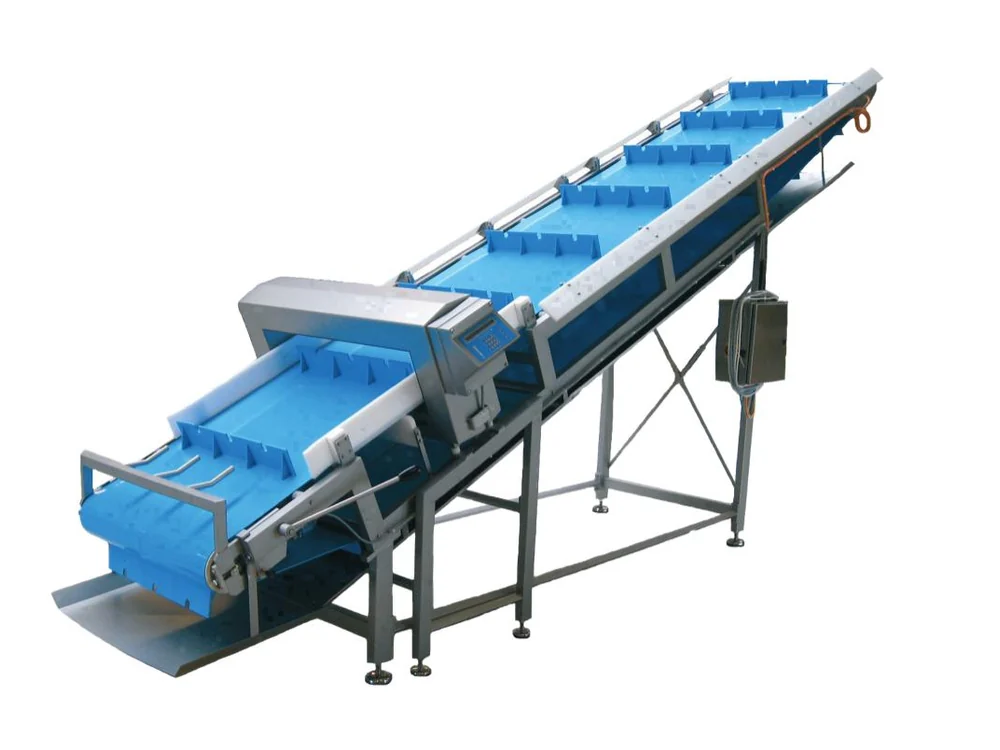
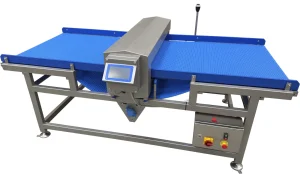
Complete unit with conveyor and automatic reject after packing. Lockable reject bin for CCP documentation.
Mince and emulsion
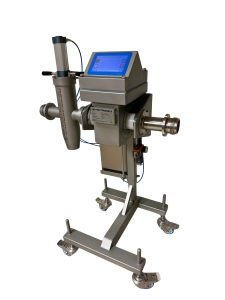
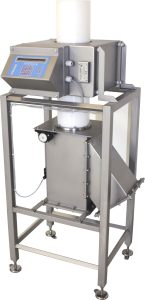
Pipeline detector in the pipe run before the stuffer. IP68/IP69K and hygienic coupling.
Deboning and cutting
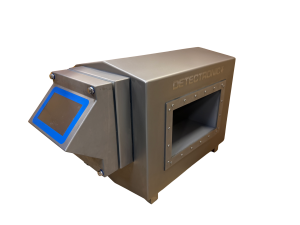
Detector head in an existing conveyor where product is unpacked and the line is washed down daily.
The auditor is not only checking the detector
In meat processing, the metal detector is often a critical control point. A working detector alone is not enough. You also need to prove that it has been tested correctly and that the procedure around it is under control.
That means documented test intervals, traceable test pieces, confirmation that the reject system has operated correctly, and a defined procedure for any product produced since the last successful test.