










Metal detection for industrial applications
Outside food, metal detection is usually about protecting equipment rather than protecting a consumer. The economics are different but the engineering is the same — and the payback is often faster, because a damaged extruder or granulator costs more than the detector.
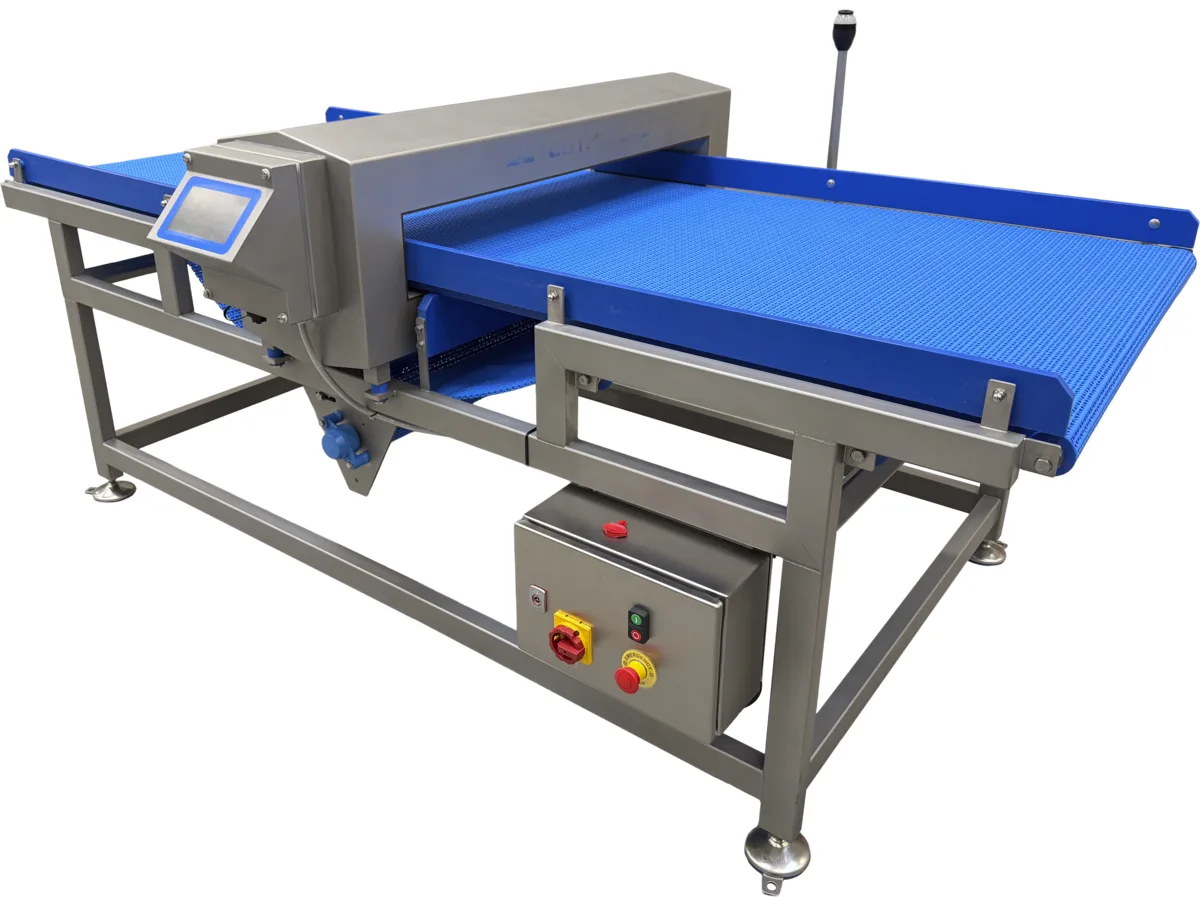
Where industrial users install detection
- Before extruders and granulators in plastics processing, where a single bolt can destroy a screw
- In recycling streams, where input material is by definition uncontrolled
- Before chippers and mills in wood and biomass processing
- In textile and nonwoven lines, where needle fragments are a known product-quality issue
- In pharmaceutical and cosmetic production, where the requirements resemble food
Not sure what can be detected in your specific product? Send us a sample. You get a written test report with false reject rate and probability of detection — free and normally within a week.
What we typically supply
Bulk and granulate
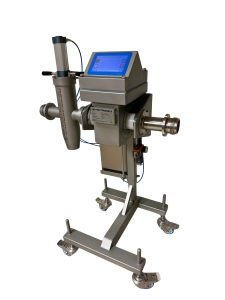
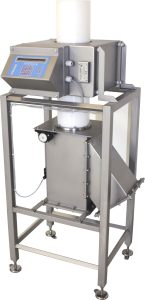
Free-fall detector before the extruder or granulator.
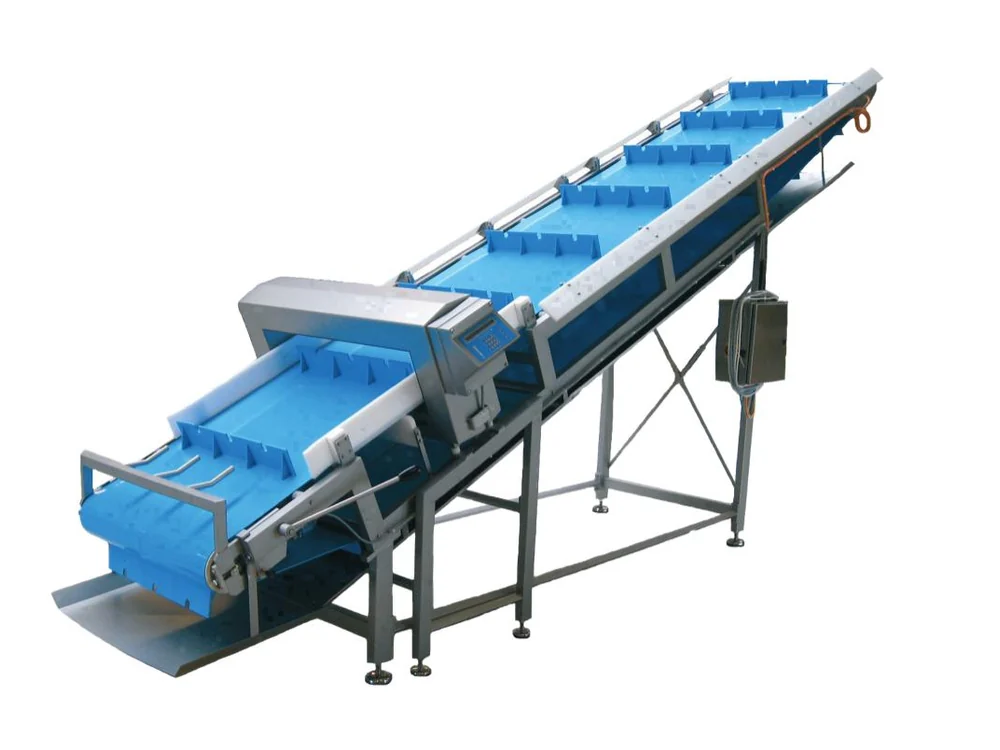
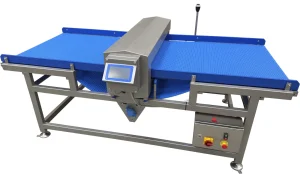
Belt-conveyed material
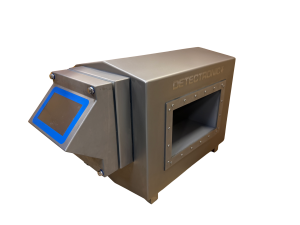
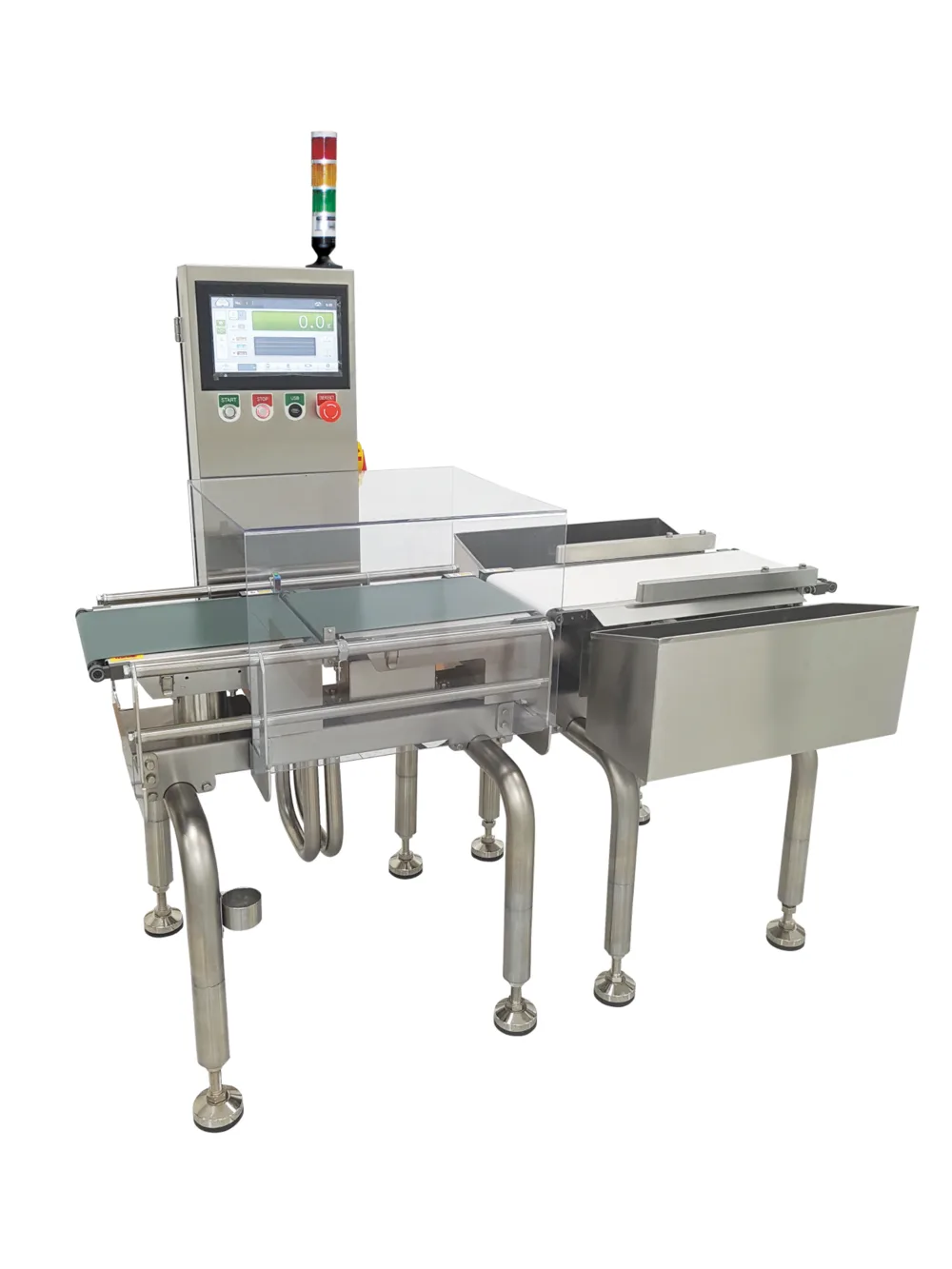
Tunnel detector head over the existing conveyor.
Non-standard builds
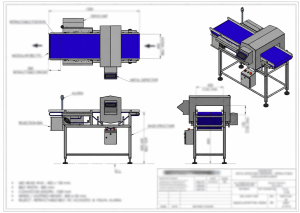
Robust frames, larger apertures and dust protection specified for the material rather than for a food plant.
The business case is usually straightforward
For machine protection the calculation is normally simple: the cost of one destroyed screw, granulator rotor or set of chipper knives against the cost of the detector. In most plastics and recycling applications the detector pays for itself the first time it works.
Tell us what you are protecting and what the downtime costs. That is usually a faster route to the right specification than starting from a product datasheet.