









Metallsuche in der Fleischverarbeitung
Die Fleischverarbeitung gehört zu den anspruchsvollsten Anwendungen für die Metalldetektion. Produkte sind typischerweise feucht, gesalzen und gekühlt, während Produktionslinien intensiven Reinigungsprozessen mit heißem Hochdruckwasser ausgesetzt sind. Gleichzeitig ist das Risiko einer Metallkontamination sehr real.
Seit 1986 entwickeln und fertigen wir Metalldetektionssysteme speziell für diese anspruchsvollen Bedingungen, die zuverlässige Detektionsleistung mit einer hygienischen Konstruktion für die Realität der Fleischproduktion verbinden.
Die meiste Metallkontamination stammt aus dem Produktionsprozess selbst.
- Gebrochene Nadeln. Durch Injektionen behandelte Tiere können eine abgebrochene Nadelspitze im Gewebe tragen. Es ist der klassische Zwischenfall in der Fleischproduktion – und derjenige, der in der Presse landet.
- Klingenbruchstücke. Ausbein- und Separatoriessklingen verlieren kleine Stahlteilchen. Meistens Edelstahl, das am schwersten zu detektierende Material.
- Maschinenteile. Schrauben, Federn, Sicherungsringe und verschlissene Buchsen aus Fleischwölfen, Schneidwerken und Förderbändern.
- Wartung. Nach einem Eingriff an der Linie nicht erfasste Werkzeuge und Teile.
- Clips und Drahtverschlüsse von der Verpackung – sowohl eine Gefahr als auch ein Erkennungsproblem, wenn sie im Produkt verbleiben.

Was wir normalerweise liefern
Verpackung und Fertigprodukte
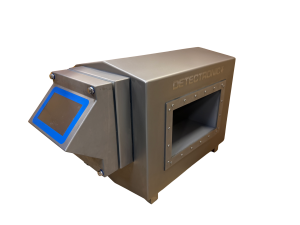
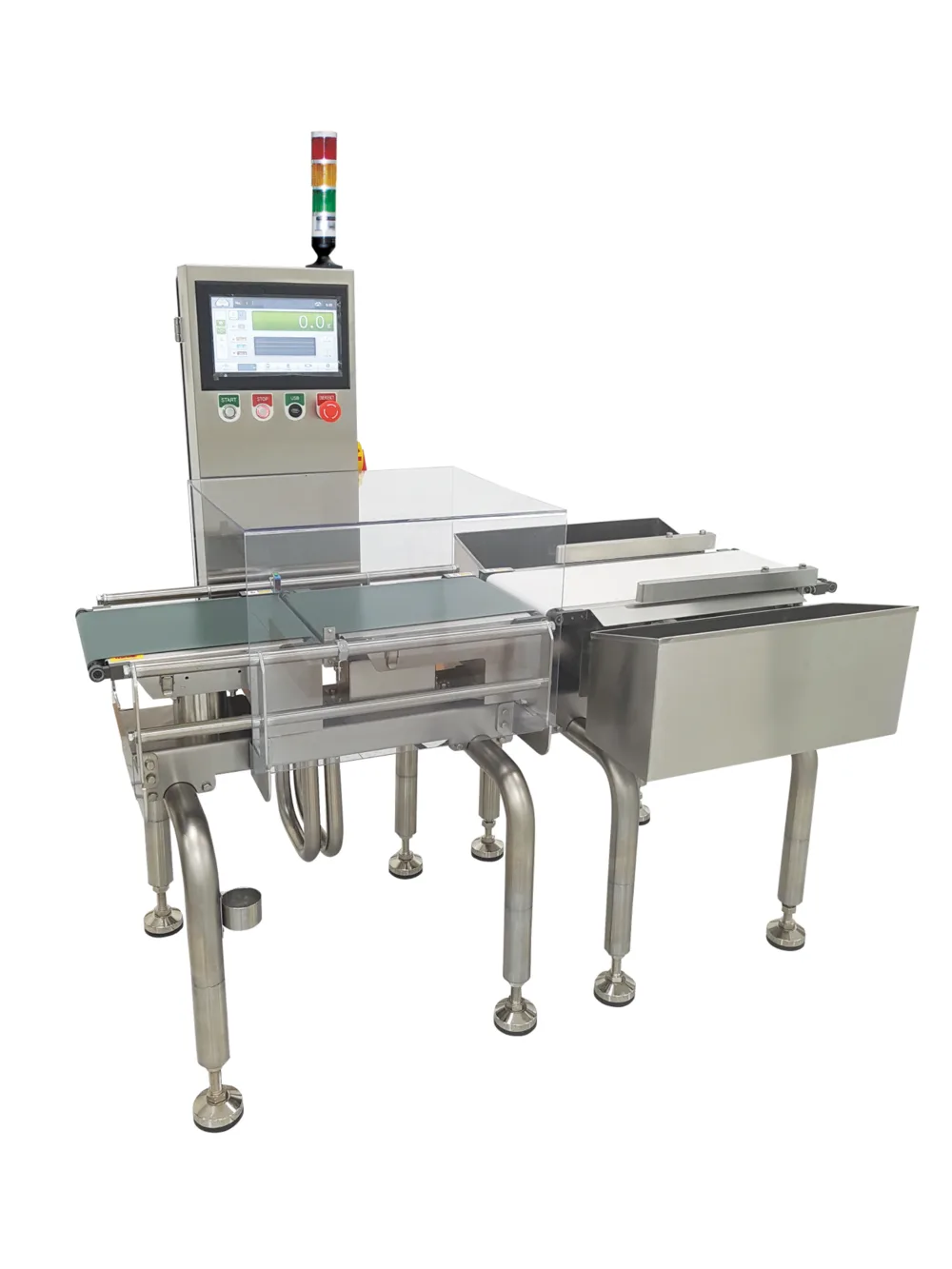
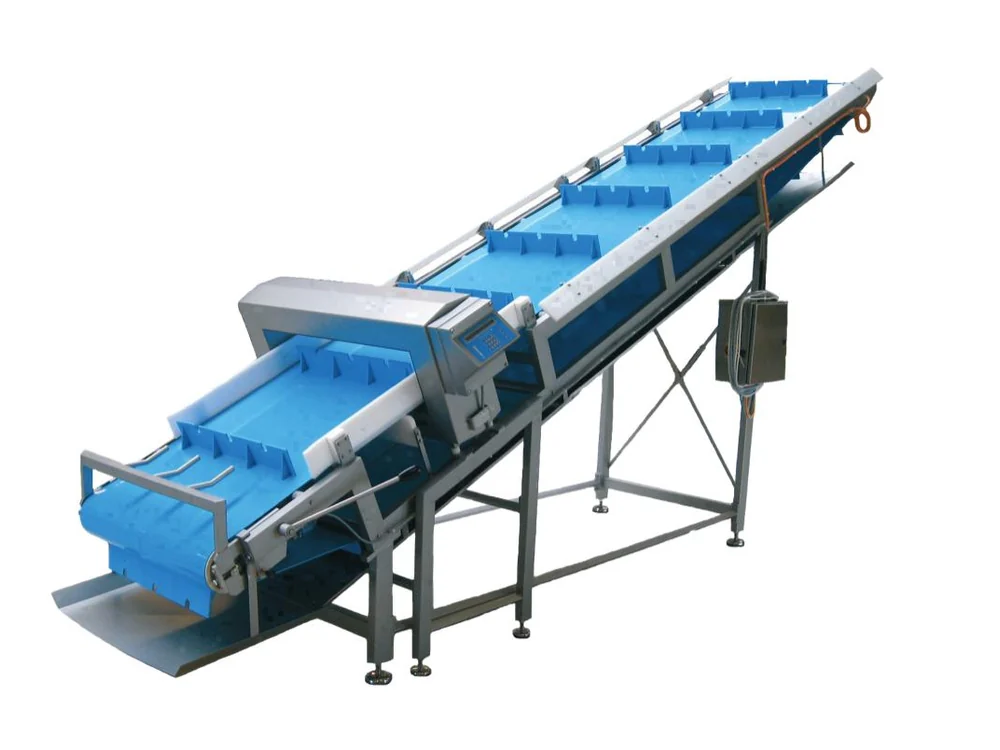
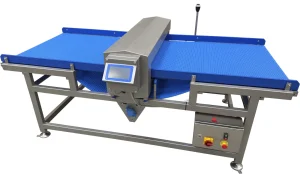
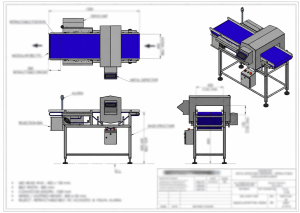
Vollständige Einheit mit Förderer und automatischer Aus schleusung nach dem Verpacken. Abschließbarer Auswurfbehälter für die CCP-Dokumentation.
Hackfleisch und Emulsion
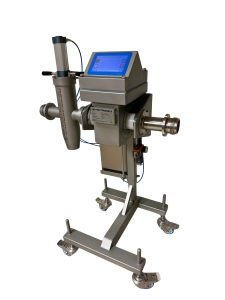
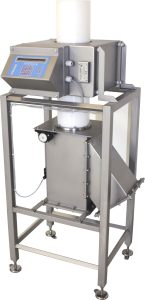
Rohrleitungssdetektor im Rohrlauf vor dem Füller. IP68/IP69K und hygienische Kupplung.
Entbeinen und Schneiden
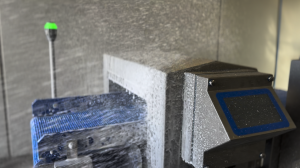
Suchkopf in einem bestehenden Förderband, auf dem das Produkt ausgepackt wird und die Linie täglich gereinigt wird.
Der Prüfer überprüft nicht nur den Detektor
In der Fleischverarbeitung ist der Metalldetektor oft ein kritischer Lenkungspunkt. Ein funktionierender Detektor allein reicht nicht aus. Man muss zudem nachweisen, dass er korrekt getestet wurde und dass die Abläufe rundherum unter Kontrolle sind.
Das bedeutet dokumentierte Testintervalle, rückverfolgbare Prüfkörper, die Bestätigung, dass das Ausschleusungssystem korrekt funktioniert hat, und ein definiertes Verfahren für jedes Produkt, das seit dem letzten erfolgreichen Test hergestellt wurde.