










WET DETECT
Our sealed range for the toughest and harshest environments in food production. Built for lines that are cleaned intensively, every day, with hot water at pressure — and expected to run the next morning.
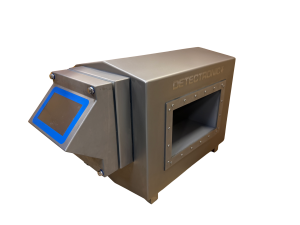
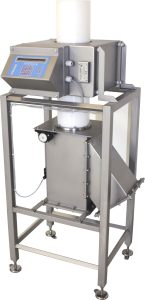
IP68 / IP69KOpen frameHygienic designConveyor & pipeline
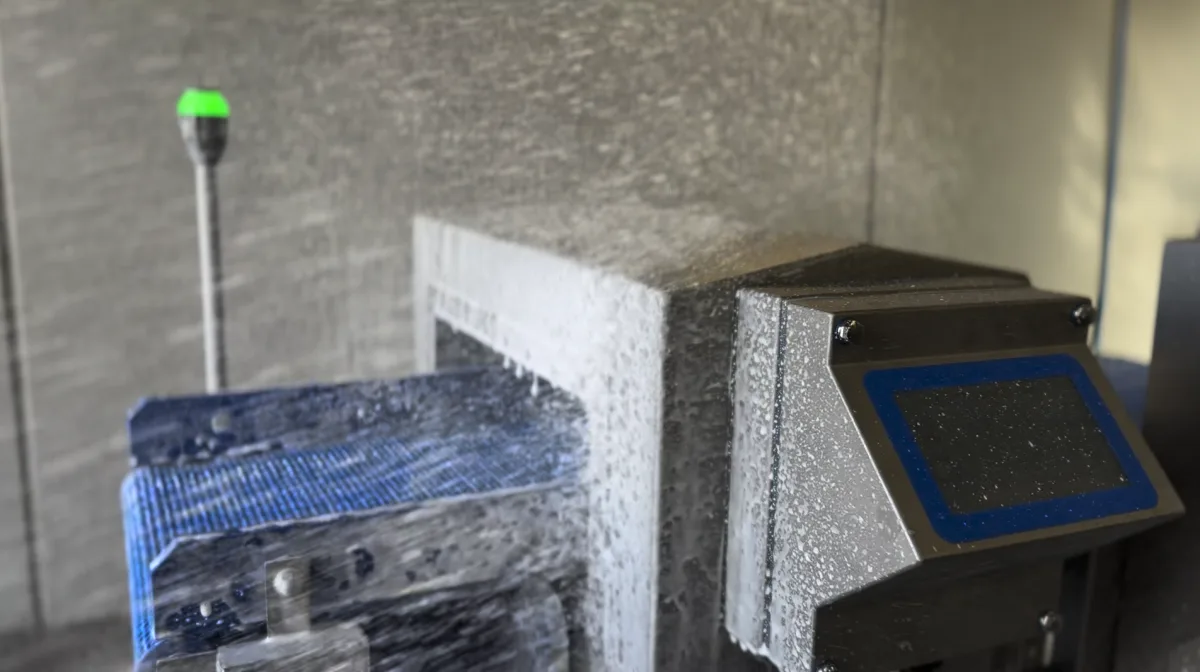
The same detection, in an enclosure built for the cleaning
WET DETECT is not a different detector. It uses the same 607 and 608 detection platforms as the rest of our range, so the sensitivity, the reject logic and the operator interface are the ones your team already knows.
What changes is everything around the electronics. The enclosure, the frame, the fasteners, the bearings, the feet and the cable entries are all specified for a plant that is washed down under pressure rather than wiped down at the end of a shift. In most equipment failures we are called to, the electronics were never the problem — water found a way in somewhere else first.
Which one do you need? If the line is hosed down daily, or cleaned with hot water, foam or chemicals, specify WET DETECT from the start. If production is dry or chilled and cleaning is dry or light, our standard tunnel, pipeline and free-fall systems are the right — and more economical — answer.
Where WET DETECT belongs
Production where hygiene is enforced by cleaning, and cleaning is what wears equipment out.
Meat and deboning
Deboning halls, cutting rooms and mincing lines. Fat, protein and salt, cleaned down with hot water and caustic between shifts.
Poultry processing
Wet, high-throughput lines with continuous water. Frequently the most demanding cleaning regime in the plant.
Fish and seafood
Salt water and brine, chilled and wet from end to end. Salt is the reason ordinary stainless fittings do not last here.
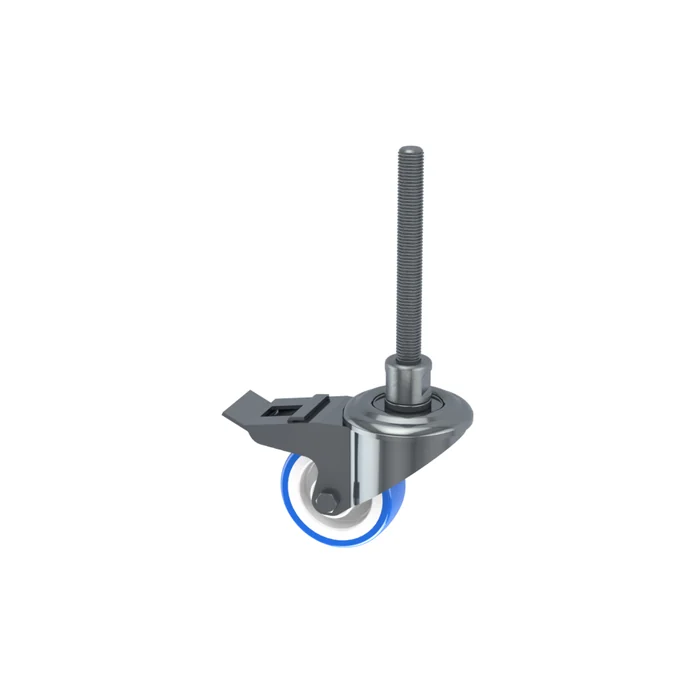
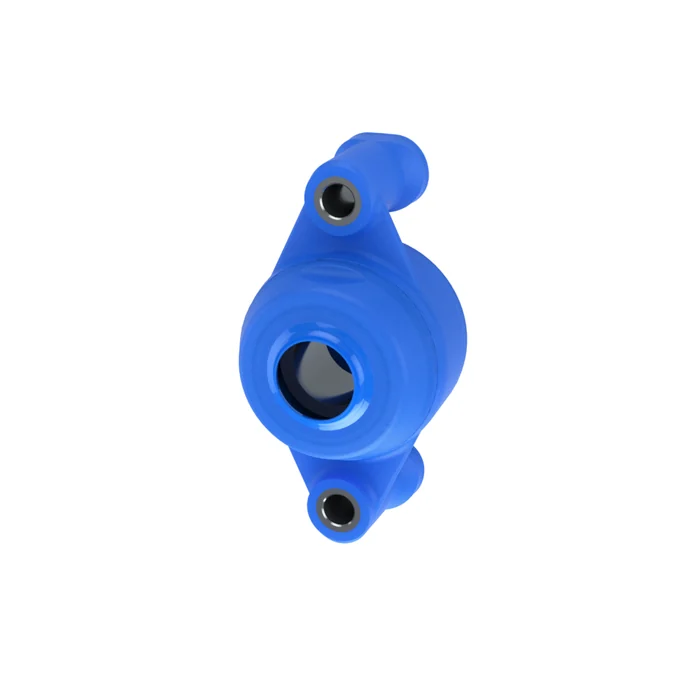
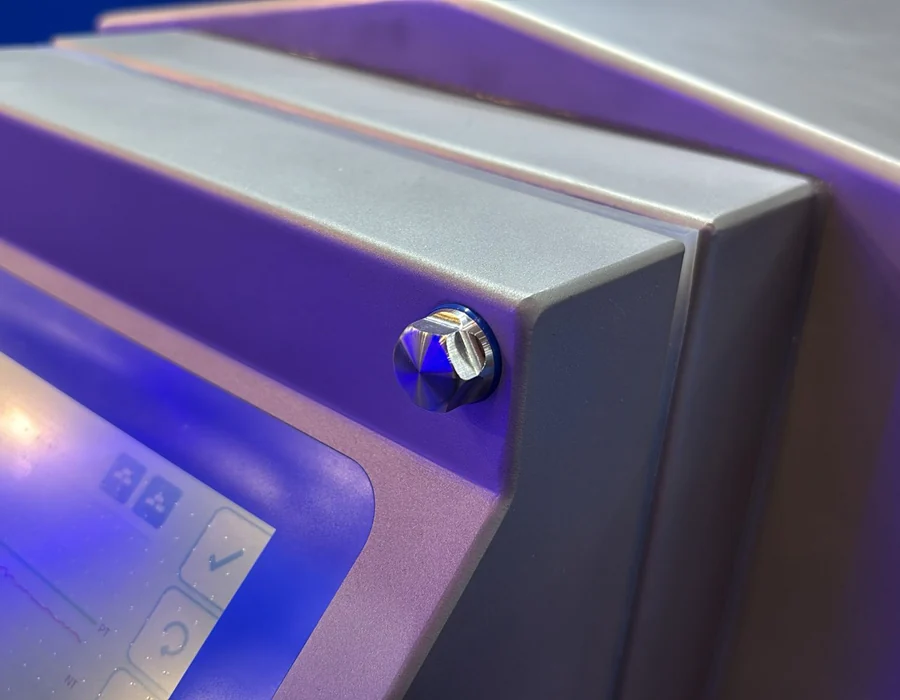
The details that decide how long a machine lasts
Every component below is specified because of how it behaves after two years of daily washdown — not because of how it looks on a drawing.

What you actually get from it
Uptime
The failure mode we are called to most often in wet plants is moisture ingress, and it rarely happens on a schedule. A sealed machine removes that class of stoppage — and if an electrical fault does occur, our Service Exchange Concept swaps the control unit in under three minutes.
Hygiene
Open-frame construction with no hidden surfaces means the machine can be inspected as well as cleaned. That matters when an auditor is standing next to it asking how you verify the cleaning.
Cleanability
Tool-free release and hygienic geometry mean the cleaning crew can do the full job in the time they are given. Equipment that is awkward to clean gets cleaned less thoroughly, and that shows up in swabs before it shows up anywhere else.
Durability
Stainless construction, sealed components and rated cable entries throughout. We still supply spare parts for Detectronic machines built decades ago — the same expectation applies here.
Two ways WET DETECT is supplied
Conveyor systems
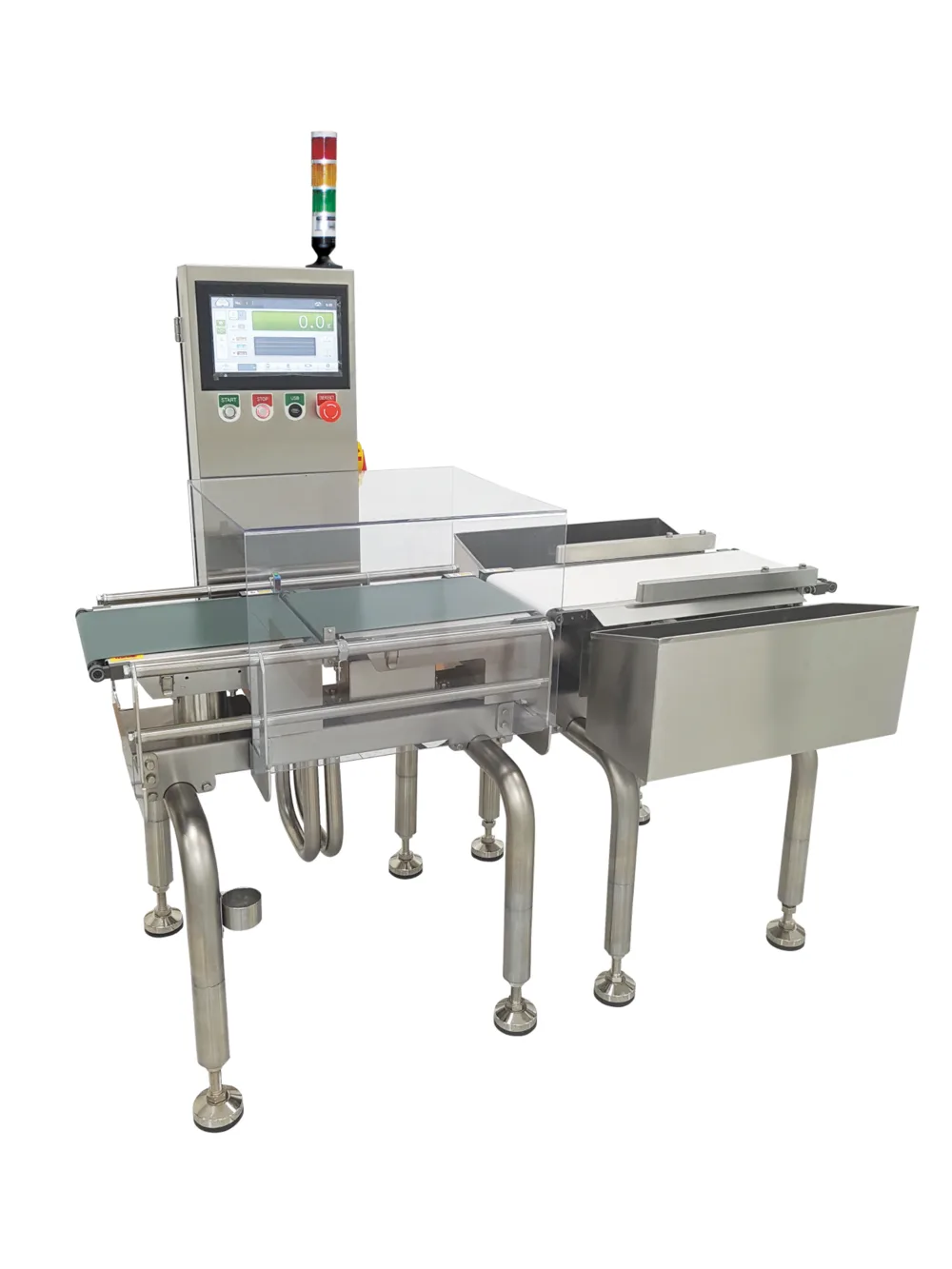
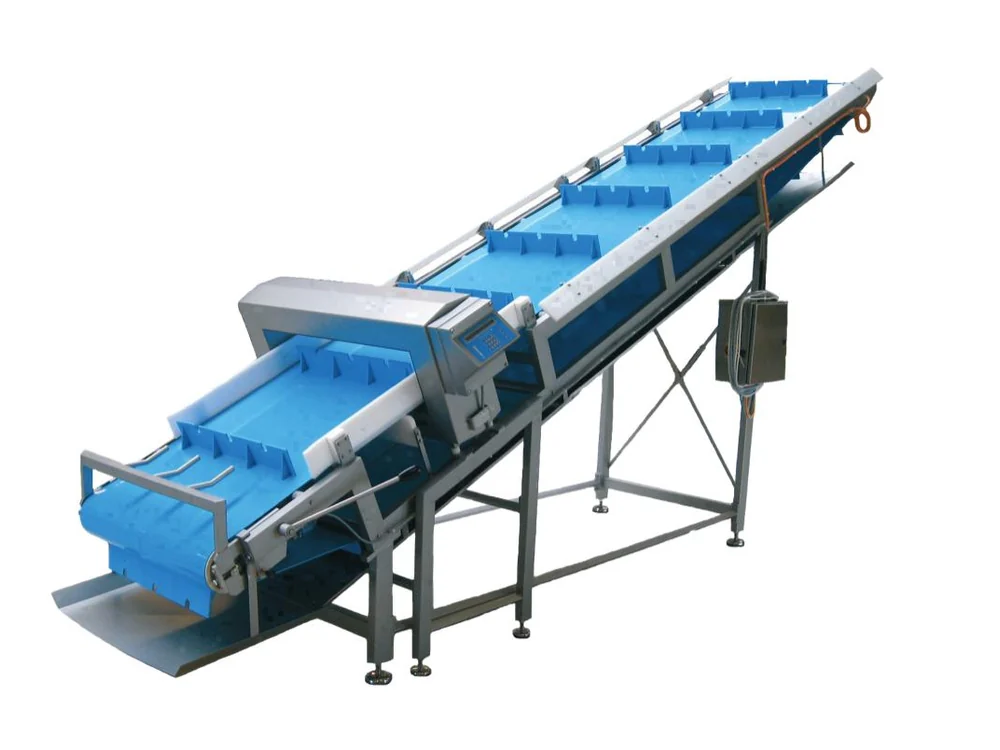
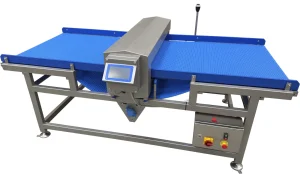
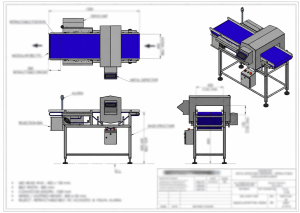
A complete machine: detector head, stainless conveyor, reject device and control, built to your belt height, width and product. The frame, belt and guarding are all specified for washdown, and the belt releases by hand for cleaning.
- Packed and unpacked product on a belt
- Built to your line height, width and layout
- Reject arrangement chosen for the product — pusher, air blast, retracting belt or drop flap
- Available with a retractable belt section for cleaning access
Pipeline systems
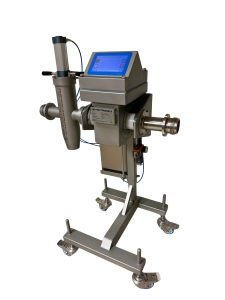
For pumped and semi-solid product, installed directly in the line between filler and clipper or after the stuffer. The detector sits in the pipe run itself, so there is no transfer point and nothing to clean around.
- Pumped product — emulsion, mince, sauces, dairy, wet pet food
- Pipe sizes from 1.5" to 10"
- All common connection types available
- Reject valve integrated into the pipe run
Send us the product before you specify the machine
We will run it in our test centre and tell you what is realistically detectable in your product, at your packaging and your temperature — and whether WET DETECT is the right specification or more machine than you need. The test is free and the report is written.
Send us your product — we will measure what can be detected
You receive a written test report with equipment description, test conditions, false reject rate and probability of detection. Normally within a week. It costs nothing and commits you to nothing.