









Detección de metales para el procesamiento de aves
El procesamiento avícola combina altas velocidades de línea con un producto húmedo y refrigerado que puede crear un efecto de producto significativo. Por lo tanto, la detección confiable depende tanto del rendimiento del detector como de un sistema de rechazo diseñado para el flujo real del producto.
De dónde puede provenir la contaminación por metales
- Fragmentos de cuchillas y discos de corte de equipos automáticos de despiece y raciones
- Piezas de grillete y colgador desde la línea aérea
- Piezas de desgaste de maquinaria — resortes, bujes, elementos de sujeción de equipos de alta velocidad
- Grapas y clips de cajas y embalajes
- Fragmentos de aguja donde se utiliza la inyección o el marinado
La alta velocidad cambia cómo se debe diseñar el sistema completo
En una línea avícola rápida, el detector registrará el metal a tiempo. La cuestión es si el mecanismo de rechazo puede actuar sobre el artículo correcto. En cintas densamente empaquetadas, eso a veces significa rechazar artículos vecinos para estar seguros, un equilibrio entre la pérdida de producto y la seguridad que debe calcularse antes de elegir el sistema.
Al mismo tiempo, las aves refrigeradas y húmedas pueden crear un fuerte efecto de producto, en particular con productos salmuerzos o marinados. Por lo tanto, una configuración correcta del producto y unos programas de producto estables son importantes para mantener una buena sensibilidad y, al mismo tiempo, evitar falsos rechazos innecesarios.
¿No estás seguro de qué se puede detectar en tu producto específico? Envíenos una muestra. Recibirá un informe de prueba por escrito con la tasa de falsos rechazos y la probabilidad de detección: gratis y normalmente en una semana.
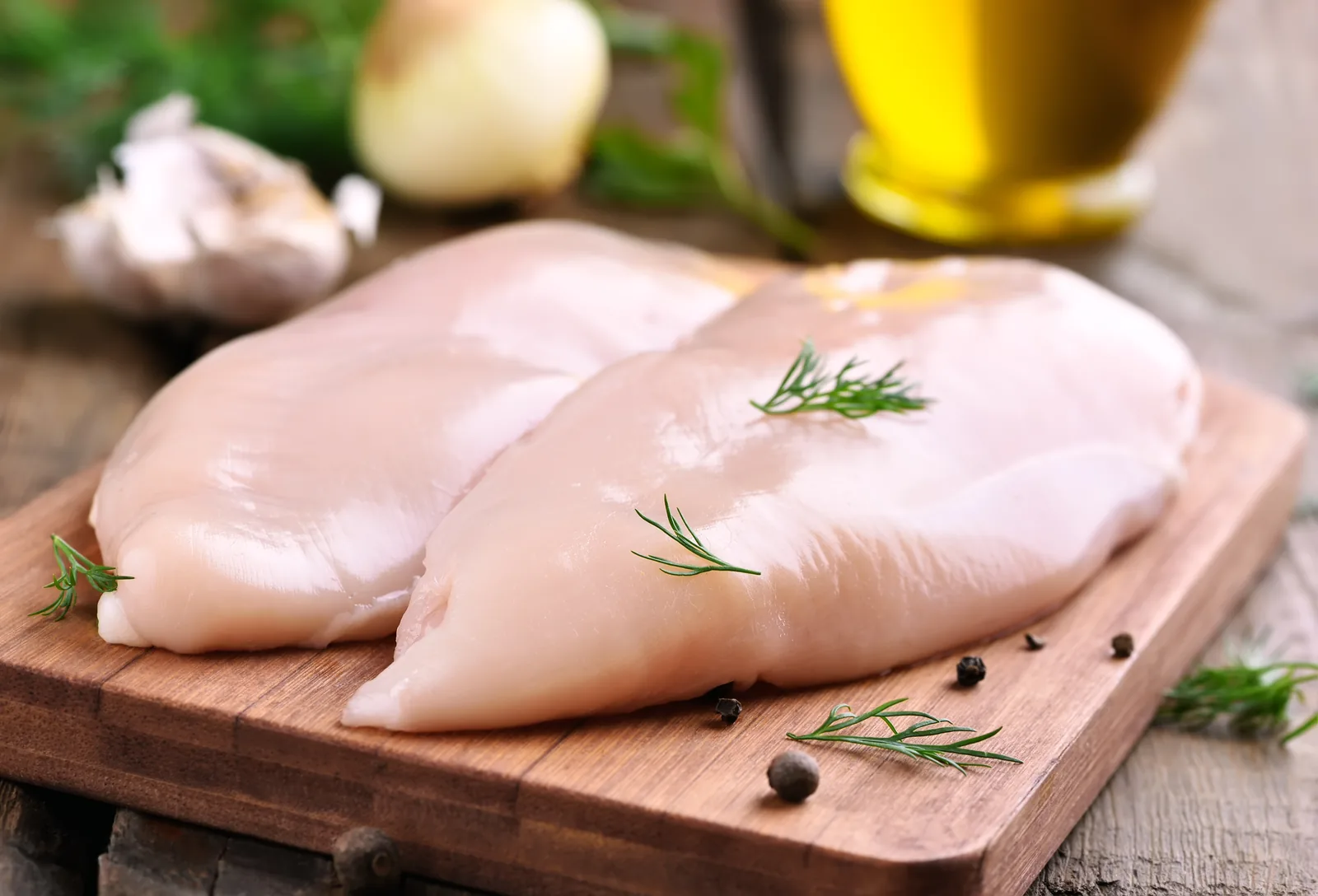
Lo que normalmente suministramos
Líneas de envasado
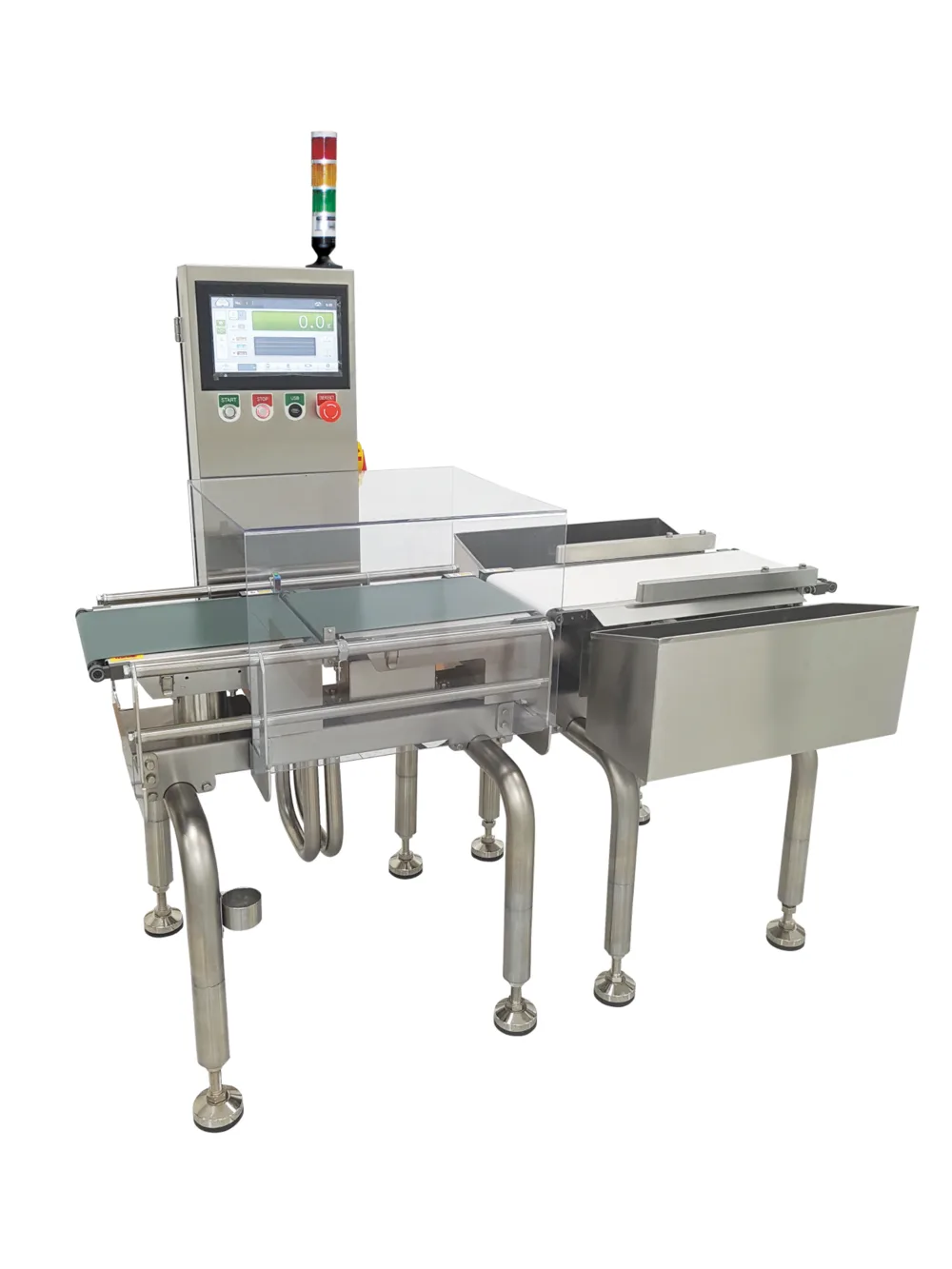
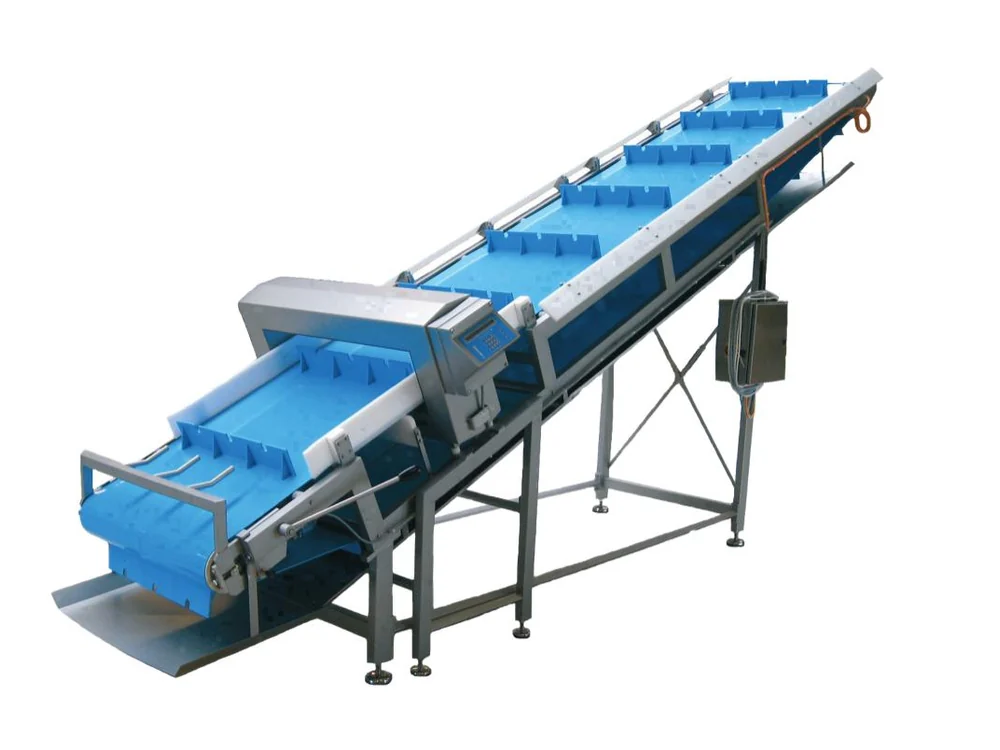
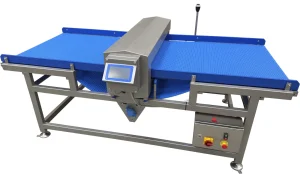
Unidad completa con transportador y rechazo rápido después del empaque.
Deshuesado y porcionado
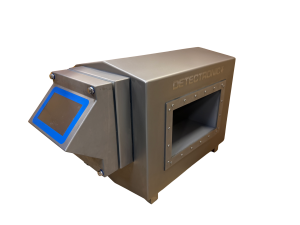
Cabezal detector en el transportador existente, construido para lavado diario.
Adobo y salmuera
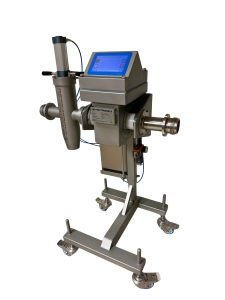
Detector de tuberías en el circuito de inyección o marinaje.
Los cambios de producto son el riesgo práctico
Una planta avícola puede procesar filetes de pechuga, carne de muslo, alas y productos marinados a través del mismo detector en un solo turno. Cada uno se comporta de manera diferente en el campo. Si todos comparten un mismo programa de producto, este debe configurarse para el peor de los casos, lo que significa que todos los demás productos se inspeccionan con una sensibilidad menor de la que podrían tener.
Establecer un programa por producto. Lo hacemos durante la puesta en marcha, y podemos restablecerlos como parte de un visita de calibración.