









Detección de metales para la producción lechera
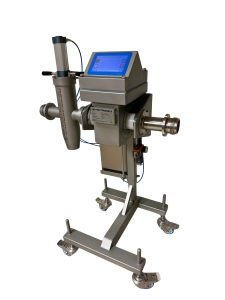
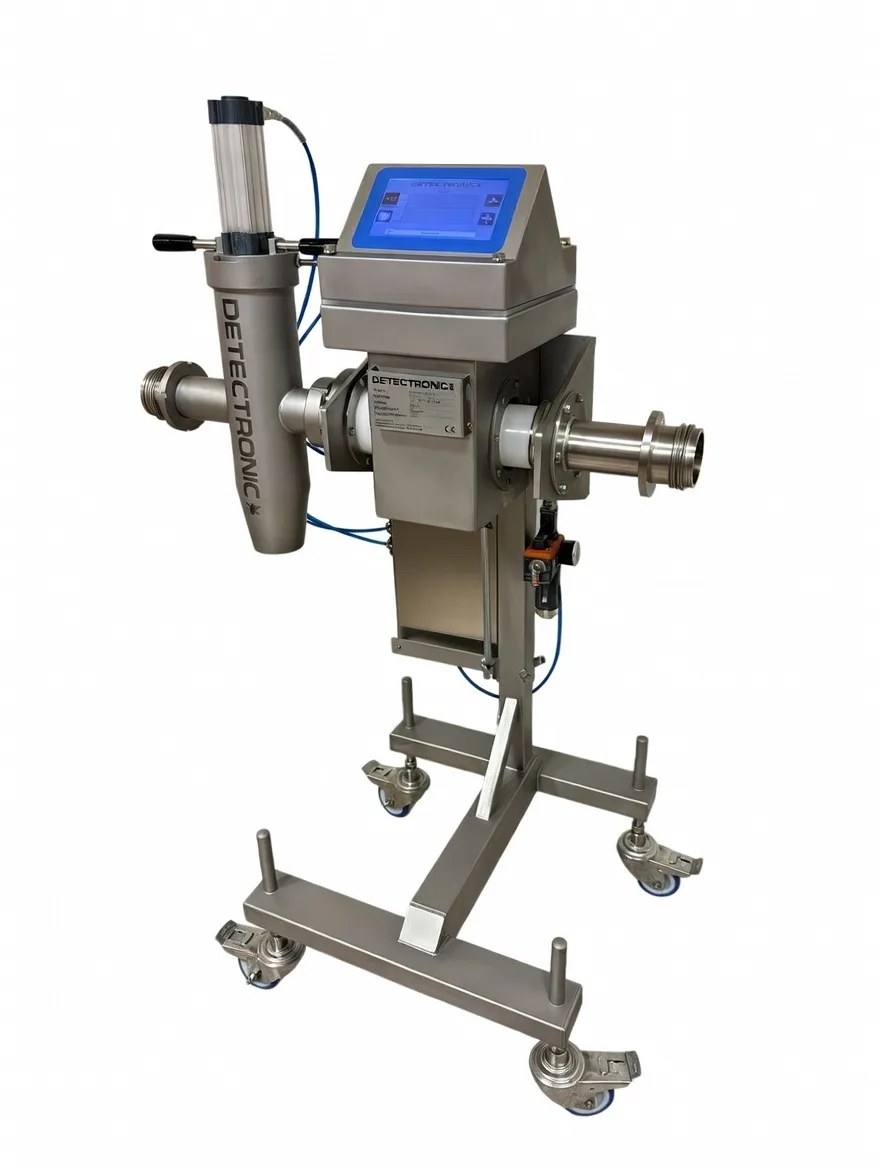
Cuando el producto fluye a través de tuberías en lugar de estar sobre una cinta, la tarea cambia de carácter. El detector se instala en la línea de tubería, debe soportar una limpieza CIP internamente y alta presión externamente, y el rechazo se realiza con una válvula sin detener el flujo.
Donde suele colocarse el detector
- Después de las cubas de queso y los equipos de corte, donde los cuchillos y las piezas de maquinaria son una fuente genuina
- Antes de la máquina de envasado sobre queso procesado, untables y dips
- Tras la reelaboración del producto devuelto, donde el material de envasado puede volver a introducirse en el proceso
- En la ingesta de ingredientes, donde el polvo y los aditivos llegan desde sacos y big bags
CIP y lavado a alta presión en la misma instalación
Un detector de tuberías se limpia de dos maneras a la vez: internamente con líquidos CIP a temperatura, externamente con agua de lavado. La construcción debe soportar ambas cosas, y el detector suele ubicarse en la parte baja de la planta, donde se acumula el agua.
Nuestra serie de conductos cuenta con clasificación IP68 e IP69K y está construida para operar sumergida. El acoplamiento es higiénico y está diseñado para plantas de procesamiento de alimentos.
Tenga en cuenta también el efecto del producto: las salsas saladas, los aderezos y el queso procesado conducen la electricidad. La sensibilidad en una instalación de tuberías depende tanto del diámetro de la tubería como de la conductividad del producto, por lo que debe determinarse mediante pruebas en lugar de tomarse de una ficha técnica.
¿No estás seguro de qué se puede detectar en tu producto específico? Envíenos una muestra. Recibirá un informe de prueba por escrito con la tasa de falsos rechazos y la probabilidad de detección: gratis y normalmente en una semana.
Lo que normalmente suministramos
Producto líquido y bombeado
Detector de tubería con acoplamiento higiénico y válvula de rechazo automático.
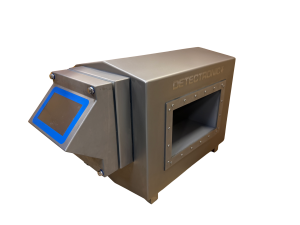
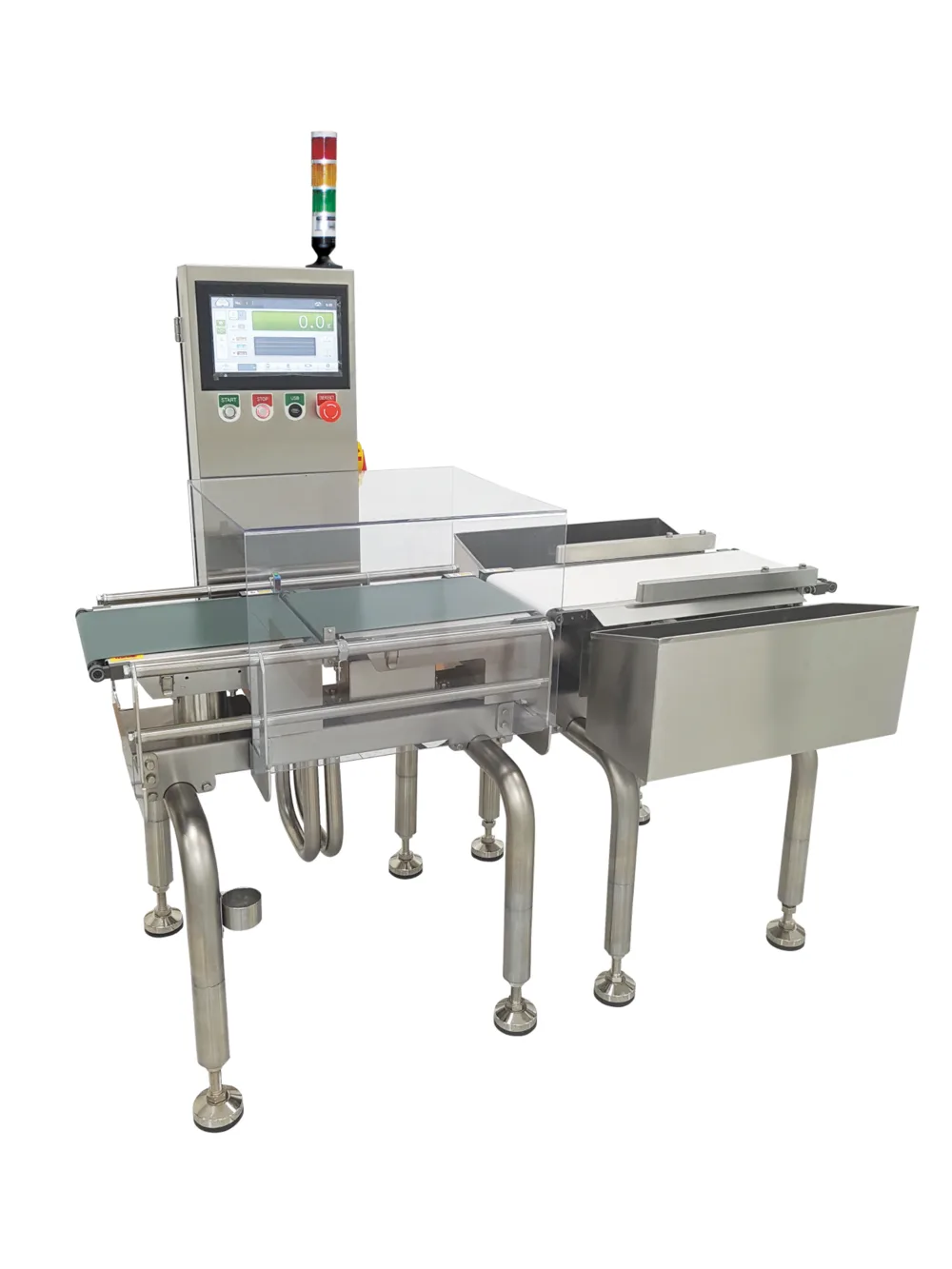
Queso envasado y porciones
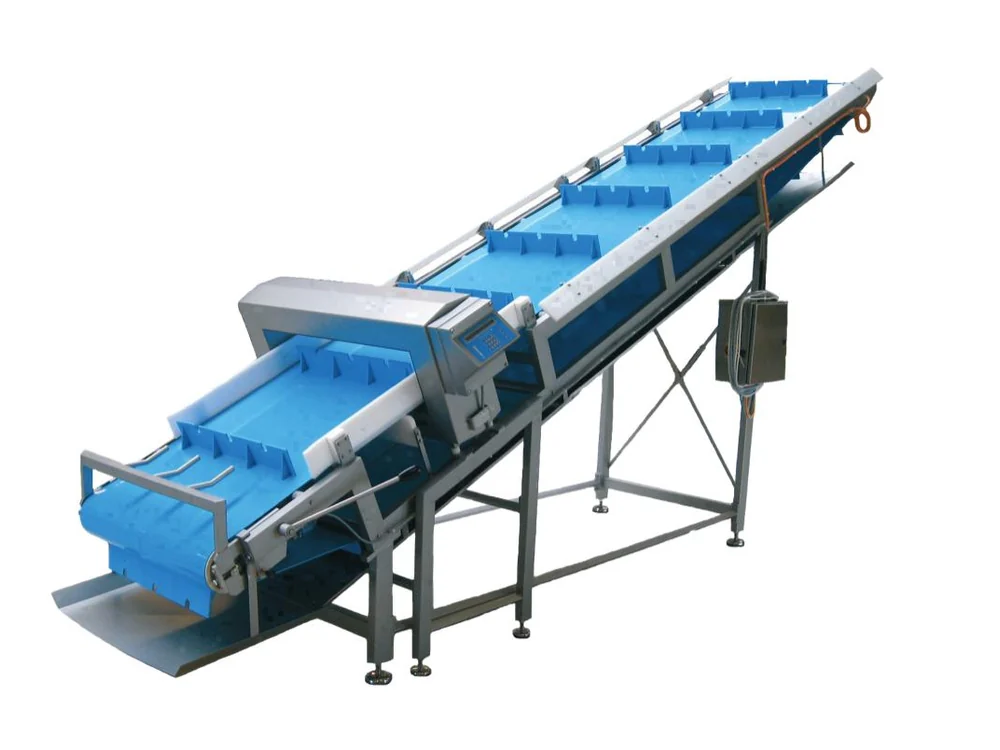
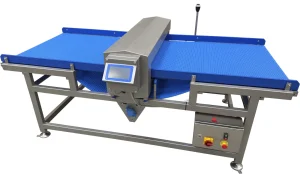
Unidad completa con transportador y rechazo después del empaque.
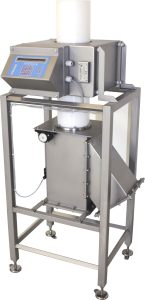
Leche en polvo e ingredientes
Detector de caída libre en el tubo de caída sobre la ensacadora o en la admisión.
Líneas secas en una planta húmeda
Muchas plantas de productos lácteos y salsas también operan líneas secas: leche en polvo, suero, estabilizantes y mezclas de especias. Allí detector de caída libre es la respuesta — instalada en el tubo de bajada por encima de la ensacadora o en el pesaje de entrada.
Detecta metales ferrosos, no ferrosos y acero inoxidable en un mismo paso, lo cual es importante porque los fragmentos que realmente produce una línea de polvo —alambre de tamiz, desgaste de molino, residuos de espirales de tornillo— suelen ser de acero inoxidable.