










Wir testen Ihr Produkt — und Sie behalten die Dokumentation
Die Empfindlichkeit kann nicht sinnvoll angegeben werden, ohne das Produkt zu kennen. Senden Sie uns ein Muster und wir messen, was in Ihrem Produkt, Ihrer Verpackung und bei Ihrer Temperatur tatsächlich detektiert werden kann.
Sie erhalten einen schriftlichen Testbericht. Sie können ihn nutzen – auch wenn Sie schließlich woanders kaufen.
Der Bericht nennt die kleinste Testkugel aus Eisen, NE-Metallen und Edelstahl, die in Ihrem Produkt zuverlässig detektiert werden kann — und welchen Anteil an Gutprodukt dies zur Folge hat.
Vier Schritte
| 1. Sie senden ein Muster | Ein repräsentatives Produkt in der Verpackung, in der es letztendlich angeboten wird. Wenn Sie sowohl gefrorene als auch gekühlte Versionen herstellen, senden Sie beide — sie verhalten sich im Feld des Detektors unterschiedlich. |
|---|---|
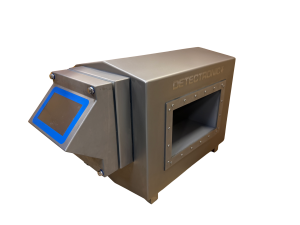
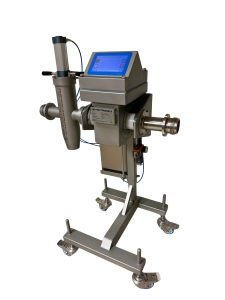
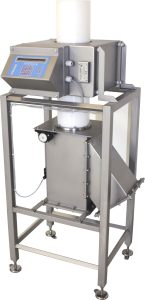
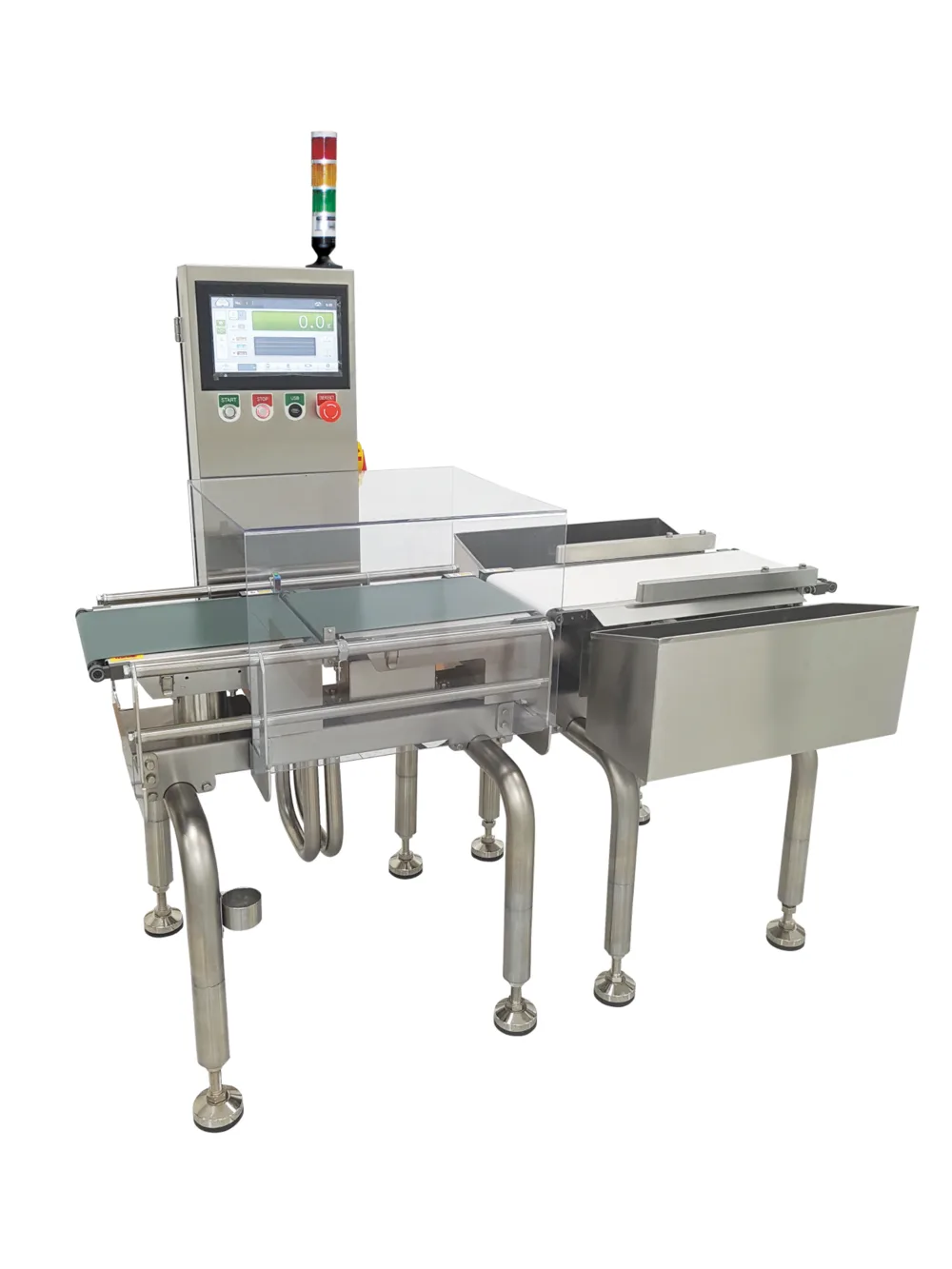
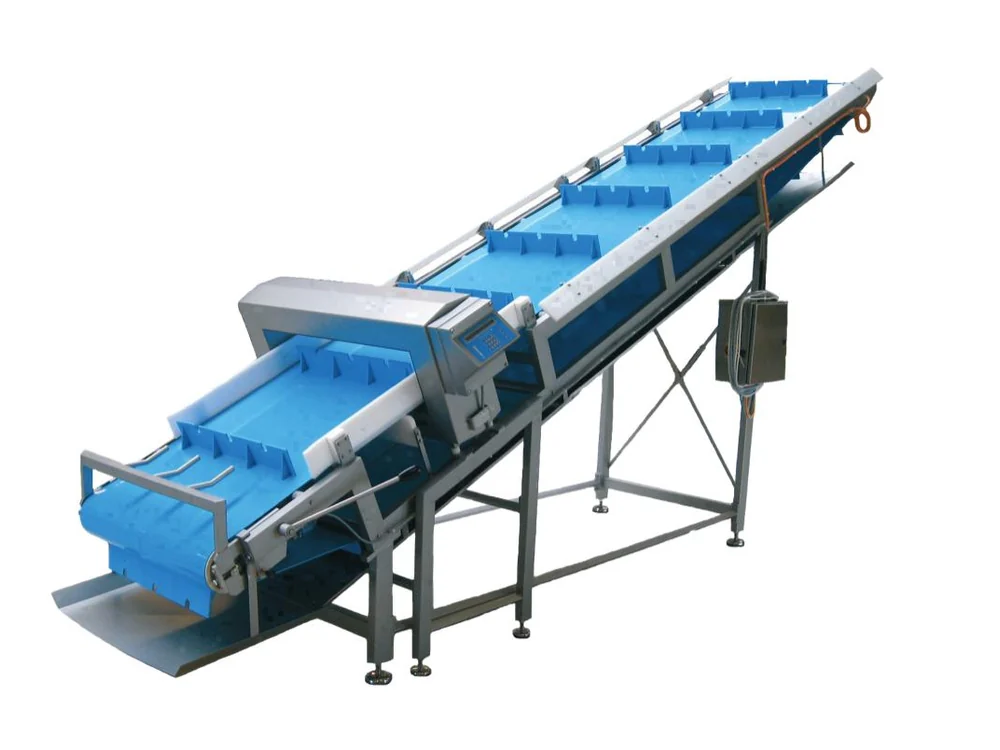
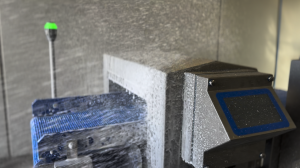
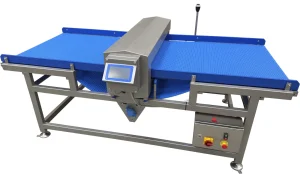
| 2. Wir testen | Wir lassen das Produkt durch die für Ihre Linie relevanten Detektortypen laufen, mit Testkörpern aus Eisen, NE-Metallen und Edelstahl in verschiedenen Größen. Wir halten standardmäßig mehrere Testlinien in Betrieb. |
| 3. Sie erhalten einen Bericht | Ein schriftlicher Bericht, der die Ausrüstung, die Testbedingungen, die Falschablehnungsrate und die Detektionswahrscheinlichkeit beschreibt. Wir werden ein kurzes Video des Tests aufnehmen, falls Sie etwas für interne Zwecke zeigen möchten. |
| 4. Wir gehen das gemeinsam durch | Online oder vor Ort. Wir sagen Ihnen ganz ehrlich, was realistisch ist – auch wenn die Antwort lautet, dass ein Metalldetektor für Ihre Anwendung nicht das richtige Werkzeug ist. |
Sie sind auch herzlich eingeladen, nach Støvring zu kommen und zuzusehen. Viele Kunden bevorzugen das, weil man dabei Fragen stellen und sich selbst ansehen kann, was passiert, wenn die Empfindlichkeit erhöht wird.
Warum ist es kostenlos? Weil es der schnellste Weg ist herauszufinden, ob wir Ihnen helfen können. Wir investieren lieber ein paar Stunden in einen Test, als ein Angebot für eine Maschine zu erstellen, die Ihr Problem nicht löst. Und ein reales Ergebnis an Ihrem eigenen Produkt ist überzeugender als alles, was wir in eine Broschüre schreiben könnten.
Was der Bericht enthält
- Beschreibung der Ausrüstung — welcher Detektor und welche Blende verwendet wurden
- Testbedingungen — Produkt, Verpackung, Temperatur, Geschwindigkeit und Ausrichtung
- Erkennungswahrscheinlichkeit — wie zuverlässig das Teststück gefunden wird, aufgeschlüsselt nach Material und Größe
- Falsch-Ablehnungsrate — wie hoch ist der Anteil an Gutteilen, der bei dieser Einstellung aussortiert wird
- Beurteilung — was wir empfehlen und was an der Strecke geändert werden sollte
Der Bericht ist Ihr Dokument. Wir verwenden ihn für nichts anderes, als Sie richtig zu beraten.
Verwenden Sie es für Ihren HACCP-Plan? Der Bericht liefert Ihnen eine verteidigbare Grundlage für den kritischen Grenzwert – genau das, wonach ein Auditor fragt, wenn er wissen möchte, wie der Wert ermittelt wurde. Siehe HAC.