









WET DETECT
Unser versiegeltes Sortiment für die härtesten und rauesten Umgebungen in der Lebensmittelproduktion. Entwickelt für Linien, die täglich intensiv mit heißem Wasser unter Druck gereinigt werden — und am nächsten Morgen betriebsbereit sein müssen.
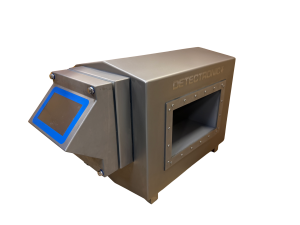
IP68 / IP69KOffener RahmenHygienisches DesignFörderband & Rohrleitung
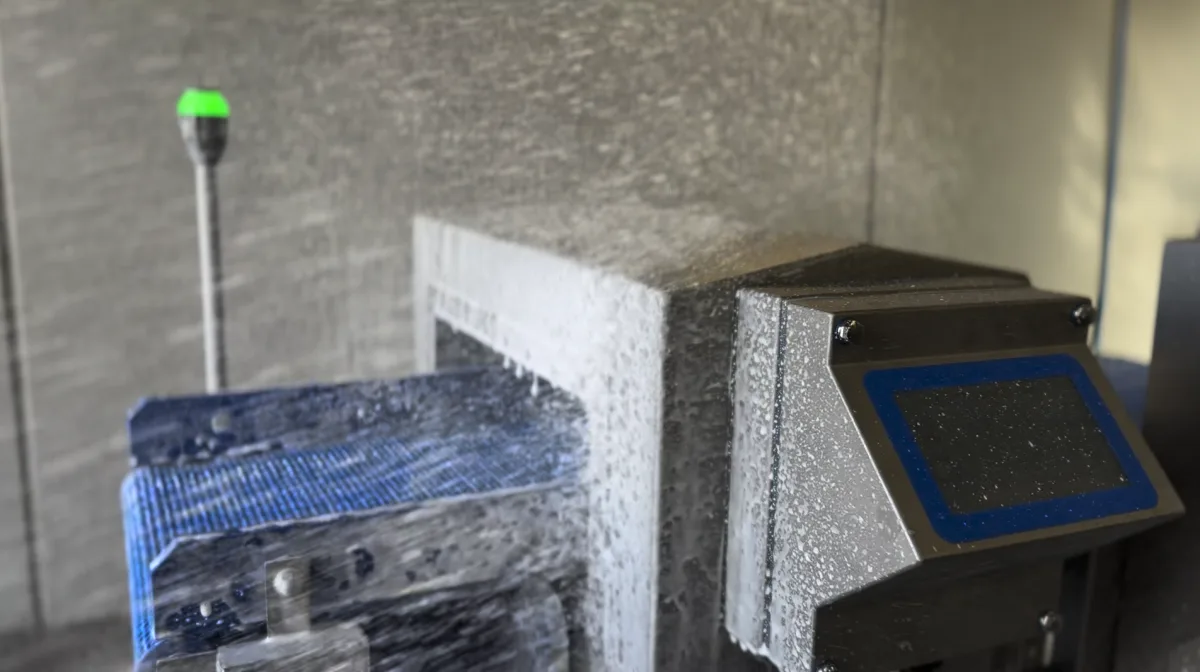
Dieselbe Erkennung in einem für die Reinigung gebauten Gehäuse
WET DETECT ist kein anderer Detektor. Er nutzt dieselben Detektionsplattformen 607 und 608 wie der Rest unseres Sortiments, sodass die Empfindlichkeit, die Ausschlusslogik und die Benutzeroberfläche genau die sind, die Ihr Team bereits kennt.
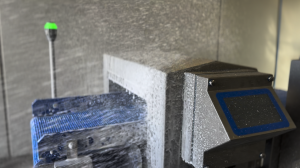
Was sich ändert, ist alles rund um die Elektronik. Das Gehäuse, der Rahmen, die Befestigungselemente, die Lager, die Standfüße und die Kabeleinführungen sind alle für eine Anlage ausgelegt, die unter Druck abgespritzt statt am Ende einer Schicht nur abgewischt wird. Bei den meisten Geräteausfällen, zu denen wir gerufen werden, war die Elektronik nie das Problem – Wasser hat zuvor irgendwo anders einen Weg nach innen gefunden.
Welches davon brauchst du? Wenn die Linie täglich mit Wasser abgespritzt oder mit heißem Wasser, Schaum oder Chemikalien gereinigt wird, geben Sie von Anfang an WET DETECT an. Wenn die Produktion trocken oder gekühlt ist und die Reinigung trocken oder leicht ausfällt, sind unsere Standard-Tunnel-, Rohrleitungs- und Freifallsysteme die richtige – und wirtschaftlichere – Wahl.
Wo WET DETECT hingehört
Produktion, in der Hygiene durch Reinigung durchgesetzt wird, und die Reinigung das ist, was die Ausrüstung verschleißt.
Fleisch und Entbeinung
Entbeinungshallen, Zerlegeräume und Hackfleischlinien. Fett, Protein und Salz, die zwischen den Schichten mit heißem Wasser und Ätzlauge abgespült werden.
Geflügelverarbeitung
Feucht-Hochdurchsatzlinien mit kontinuierlicher Wasserzufuhr. Häufig das anspruchsvollste Reinigungssystem im Werk.
Fisch und Meeresfrüchte
Salzwasser und Sole, von vorne bis hinten kalt und nass. Salz ist der Grund, warum gewöhnliche Edelstahlbeschläge hier nicht halten.
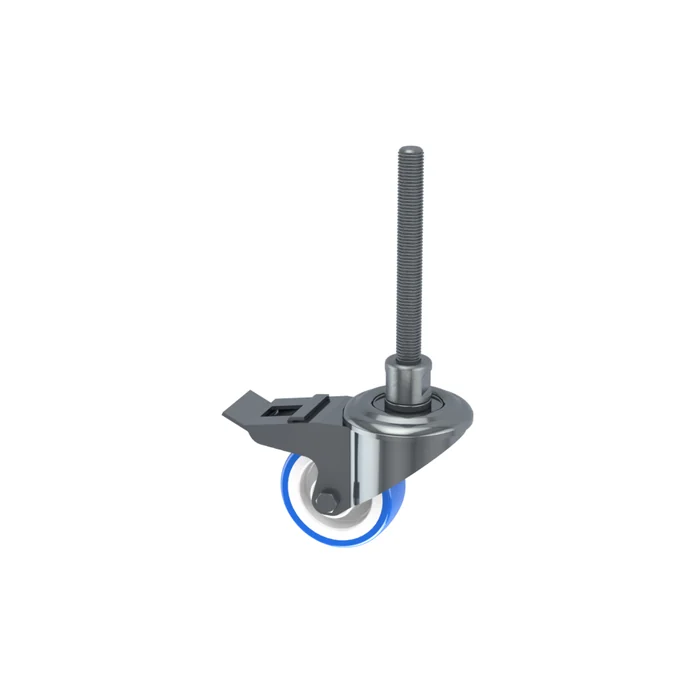
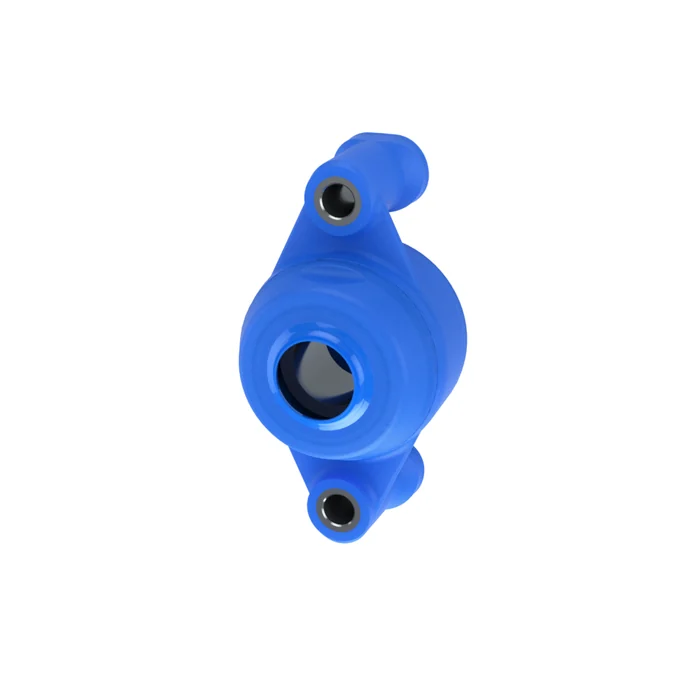
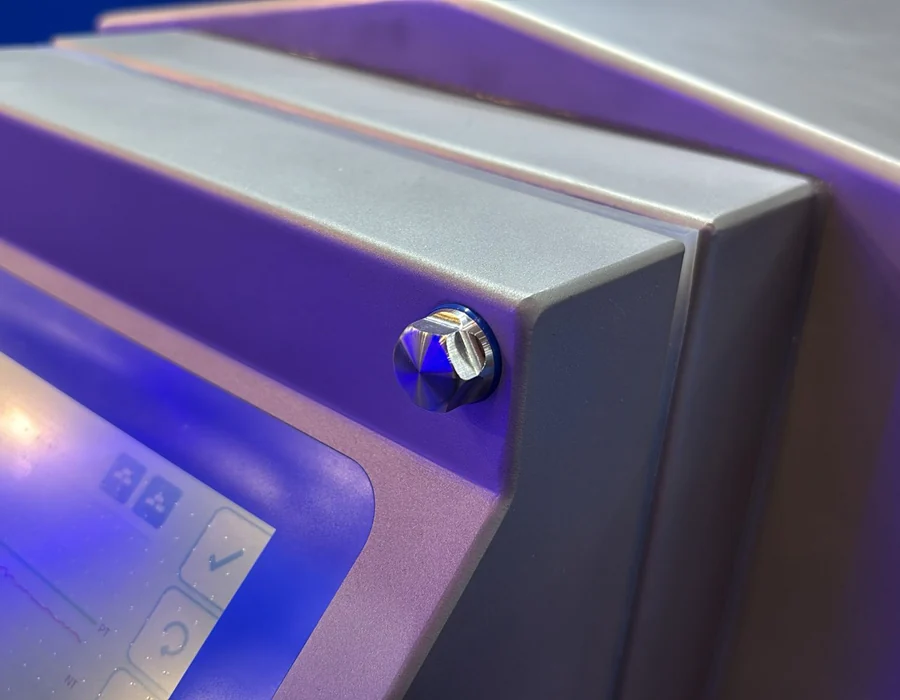
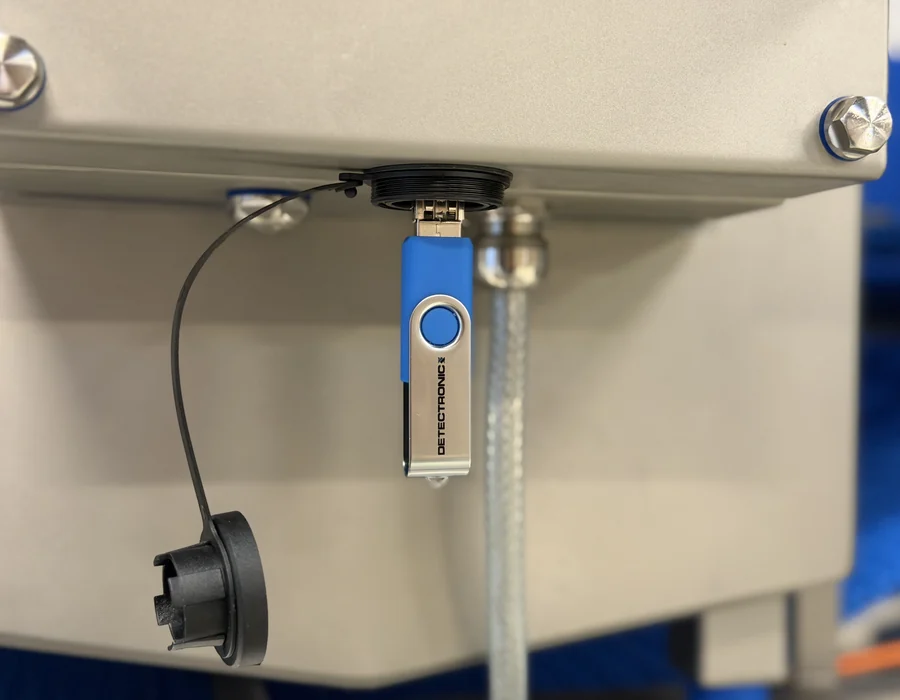
Die Details, die darüber entscheiden, wie lange eine Maschine hält
Jede einzelne Komponente unten ist so spezifiziert, wie sie sich nach zwei Jahren täglicher Nassreinigung verhält – nicht danach, wie sie auf einer Zeichnung aussieht.

Was du tatsächlich davon hast
Betriebszeit
Der Ausfallmodus, zu dem wir in Nassbetrieben am häufigsten gerufen werden, ist das Eindringen von Feuchtigkeit, und das geschieht selten nach einem Zeitplan. Eine abgedichtete Maschine eliminiert diese Art von Stillstand – und sollte doch einmal ein elektrischer Fehler auftreten, tauscht unser Service-Exchange-Konzept die Steuereinheit in unter drei Minuten aus.
Hygiene
Die offene Rahmenkonstruktion ohne verborgene Oberflächen sorgt dafür, dass die Maschine sowohl inspiziert als auch gereinigt werden kann. Das ist von Bedeutung, wenn ein Auditor danebensteht und fragt, wie Sie die Reinigung verifizieren.
Reinigenbarkeit
Die werkzeuglose Demontage und die hygienische Geometrie sorgen dafür, dass das Reinigungsteam die gesamte Arbeit in der vorgegebenen Zeit erledigen kann. Geräte, die sich nur schwer reinigen lassen, werden weniger gründlich gereinigt, und das zeigt sich in den Abklatschproben, bevor es sich irgendwo sonst bemerkbar macht.
Haltbarkeit
Rostfreie Konstruktion, versiegelte Komponenten und durchgehend zertifizierte Kabeleinführungen. Wir liefern nach wie vor Ersatzteile für vor Jahrzehnten gebaute Detectronic-Maschinen – dieselbe Erwartung gilt auch hier.
Zwei Arten, wie WET DETECT geliefert wird
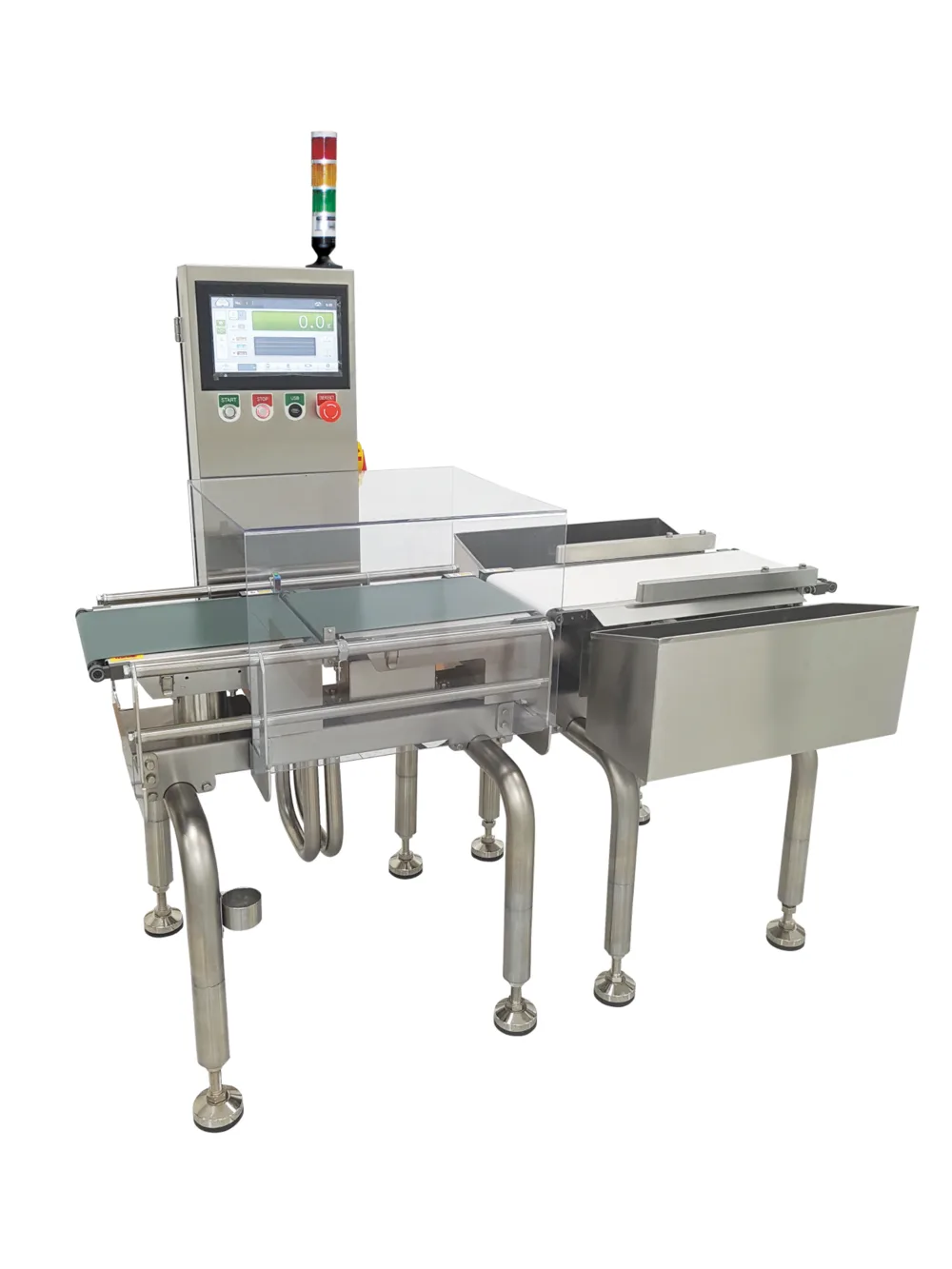
Fördersysteme
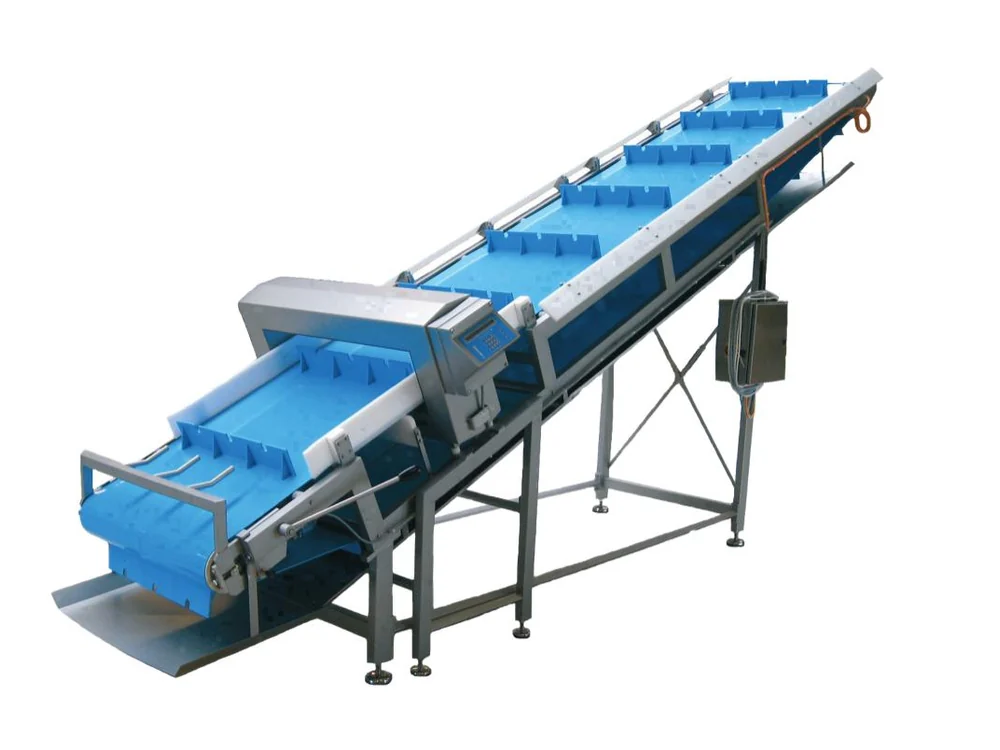
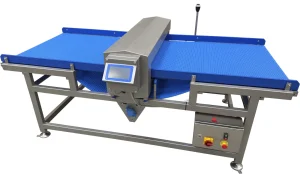
Eine komplette Maschine: Detektorkopf, Edelstahlförderband, Ausscheidevorrichtung und Steuerung, gebaut auf Ihre Bandhöhe, -breite und Ihr Produkt abgestimmt. Das Gestell, das Band und die Schutzeinrichtungen sind alle für die Nassreinigung ausgelegt, und das Band lässt sich zur Reinigung manuell abnehmen.
- Verpacktes und unverpacktes Produkt auf einem Band
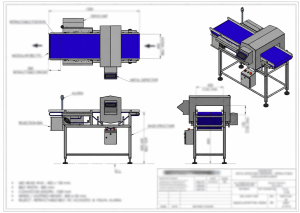
- Angepasst an Ihre Zeilenhöhe, Breite und Ihr Layout
- Ablehnungsanordnung gewählt für das Produkt – Schieber, Luftstoß, einziehendes Band oder Fallklappe
- Erhältlich mit einem einziehbaren Gurtabschnitt für den Reinigungszugang
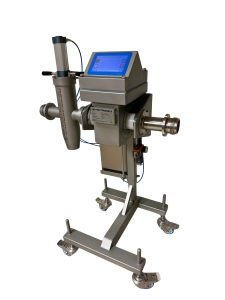
Rohrleitungssysteme
Für pumpbare und halbfeste Produkte, direkt in der Leitung zwischen Füllmaschine und Klipser oder nach dem Füller installiert. Der Detektor sitzt im Rohrverlauf selbst, sodass es keine Übergabestelle und nichts zu reinigen gibt.
- Gepumptes Produkt – Emulsion, Hackfleisch, Soßen, Milchprodukte, feuchtes Tierfutter
- Rohrgrößen von 1,5" bis 10"
- Alle gängigen Verbindungstypen verfügbar
- In die Rohrleitung integriertes Spülventil
Senden Sie uns das Produkt, bevor Sie die Maschine angeben
Wir führen es in unserem Testzentrum durch und sagen Ihnen, was in Ihrem Produkt, bei Ihrer Verpackung und Ihrer Temperatur realistisch detektierbar ist – und ob WET DETECT die richtige Spezifikation ist oder mehr Maschine als Sie brauchen. Der Test ist kostenlos und der Bericht wird schriftlich erstellt.
Schicken Sie uns Ihr Produkt — wir messen, was nachgewiesen werden kann
Sie erhalten einen schriftlichen Prüfbericht mit Gerätebeschreibung, Prüfbedingungen, Falschzurückweisungsrate und Detektionswahrscheinlichkeit. Normalerweise innerhalb einer Woche. Es ist kostenlos und unverbindlich.