










Detección de metales para aplicaciones industriales
Fuera de los alimentos, la detección de metales suele tratar de proteger los equipos en lugar de proteger al consumidor. La economía es diferente, pero la ingeniería es la misma, y la amortización suele ser más rápida, porque una extrusora o granuladora dañada cuesta más que el detector.
Dónde instalan la detección los usuarios industriales
- Antes de las extrusoras y los granuladores en el procesamiento de plásticos, donde un solo perno puede destruir un husillo
- En los flujos de reciclaje, donde el material de entrada es por definición no controlado
- Antes de las astilladoras y los molinos en el procesamiento de madera y biomasa
- En líneas textiles y de no tejidos, donde los fragmentos de aguja son un problema conocido de calidad del producto
- En la producción farmacéutica y cosmética, donde los requisitos se asemejan a la comida
¿No estás seguro de qué se puede detectar en tu producto específico? Envíenos una muestra. Recibirá un informe de prueba por escrito con la tasa de falsos rechazos y la probabilidad de detección: gratis y normalmente en una semana.
Lo que normalmente suministramos
A granel y granulado
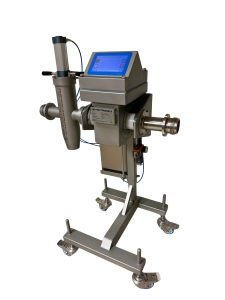
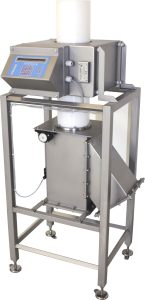
Detector de caída libre antes de la extrusora o granuladora.
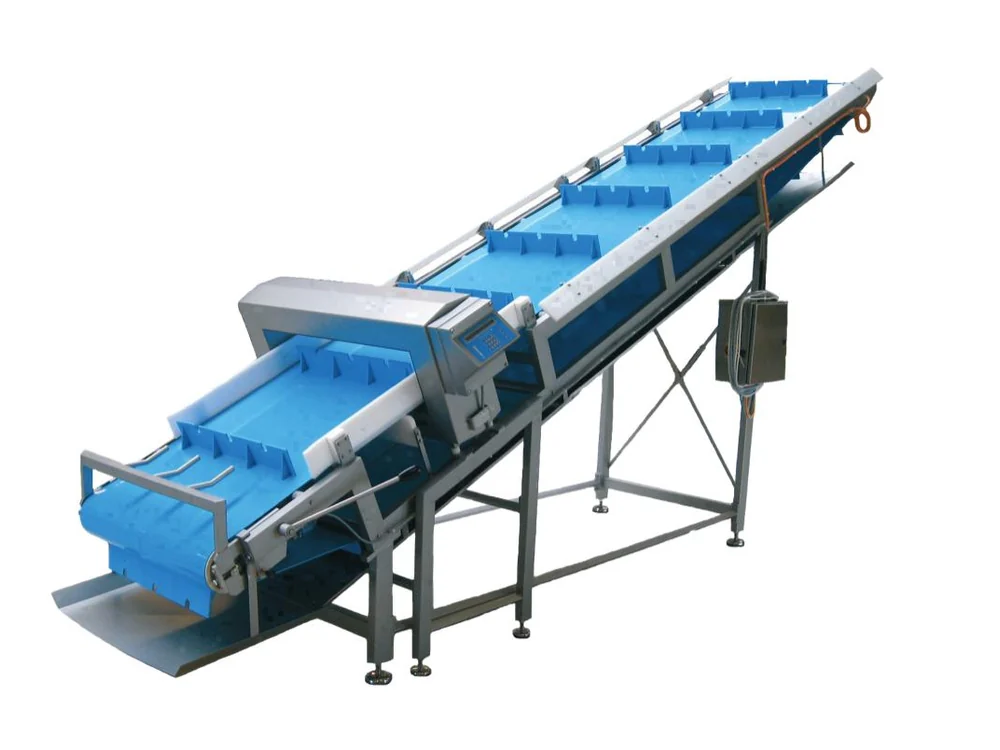
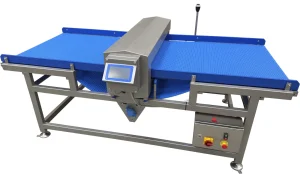
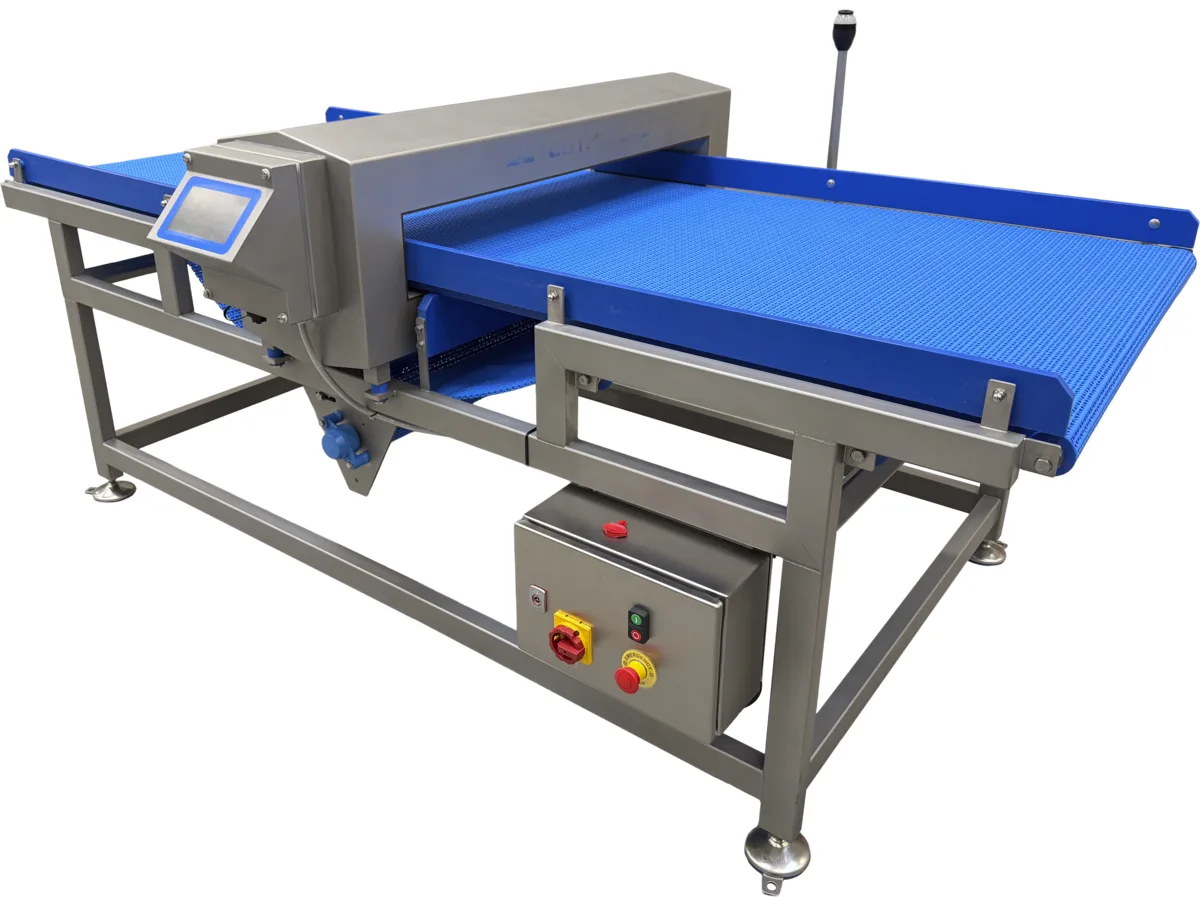
Material transportado por cinta
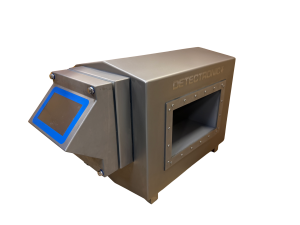
Cabezal de detector de túnel sobre la cinta transportadora existente.
Compilaciones no estándar
Bastidores robustos, mayores aberturas y protección contra el polvo especificada para el material en lugar de para una planta de procesamiento de alimentos.
El caso de negocio suele ser sencillo
Para la protección de maquinaria, el cálculo suele ser sencillo: el costo de un tornillo, rotor de granulador o juego de cuchillas de machacadora destruidos frente al costo del detector. En la mayoría de las aplicaciones de plásticos y reciclaje, el detector se amortiza la primera vez que funciona.
Dinos qué estás protegiendo y cuánto cuesta el tiempo de inactividad. Esa suele ser una vía más rápida hacia la especificación correcta que empezar por una hoja de datos del producto.