












Metal detection for bakery, snacks and confectionery
Dry products give the best detection — product effect is low, so achievable sensitivity is high. The challenge moves instead to line speed and packaging, which can be metallised.

Sifters, rollers and dough equipment
- Wire from flour sifters. A broken sieve mesh sheds thin steel wire that is hard to see and easy to miss
- Wear from rollers and sheeters in the dough line
- Parts from dosing and filling equipment on filled products
- Packaging debris — clips, wire and sealing components
Two things bakery lines ask for that a catalogue machine cannot give
Small roller diameter
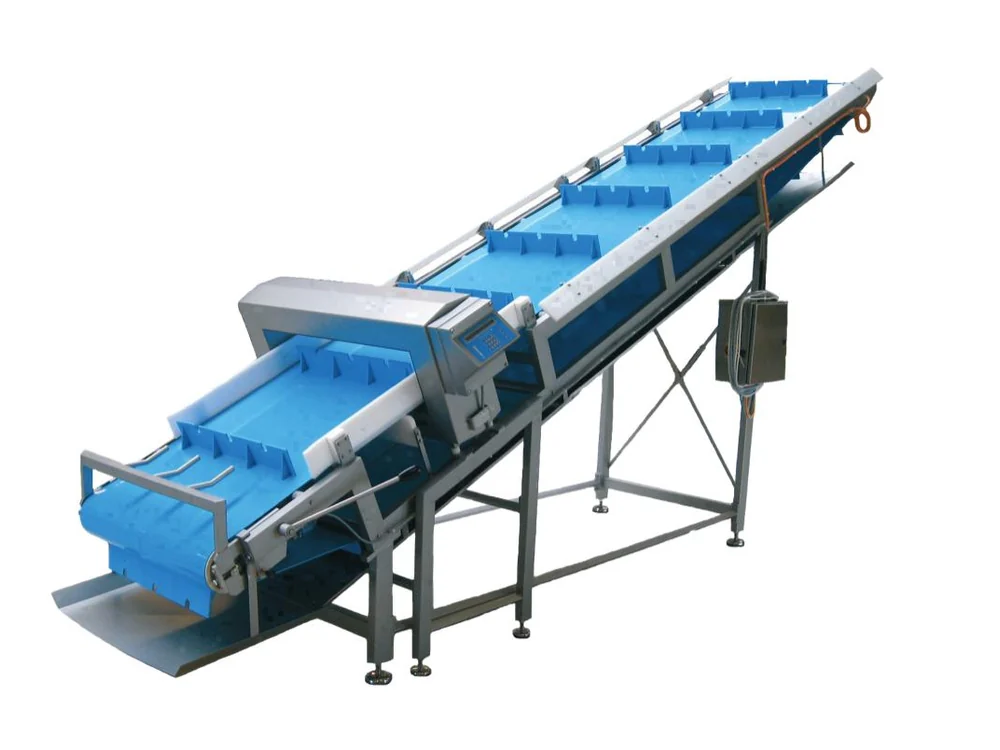
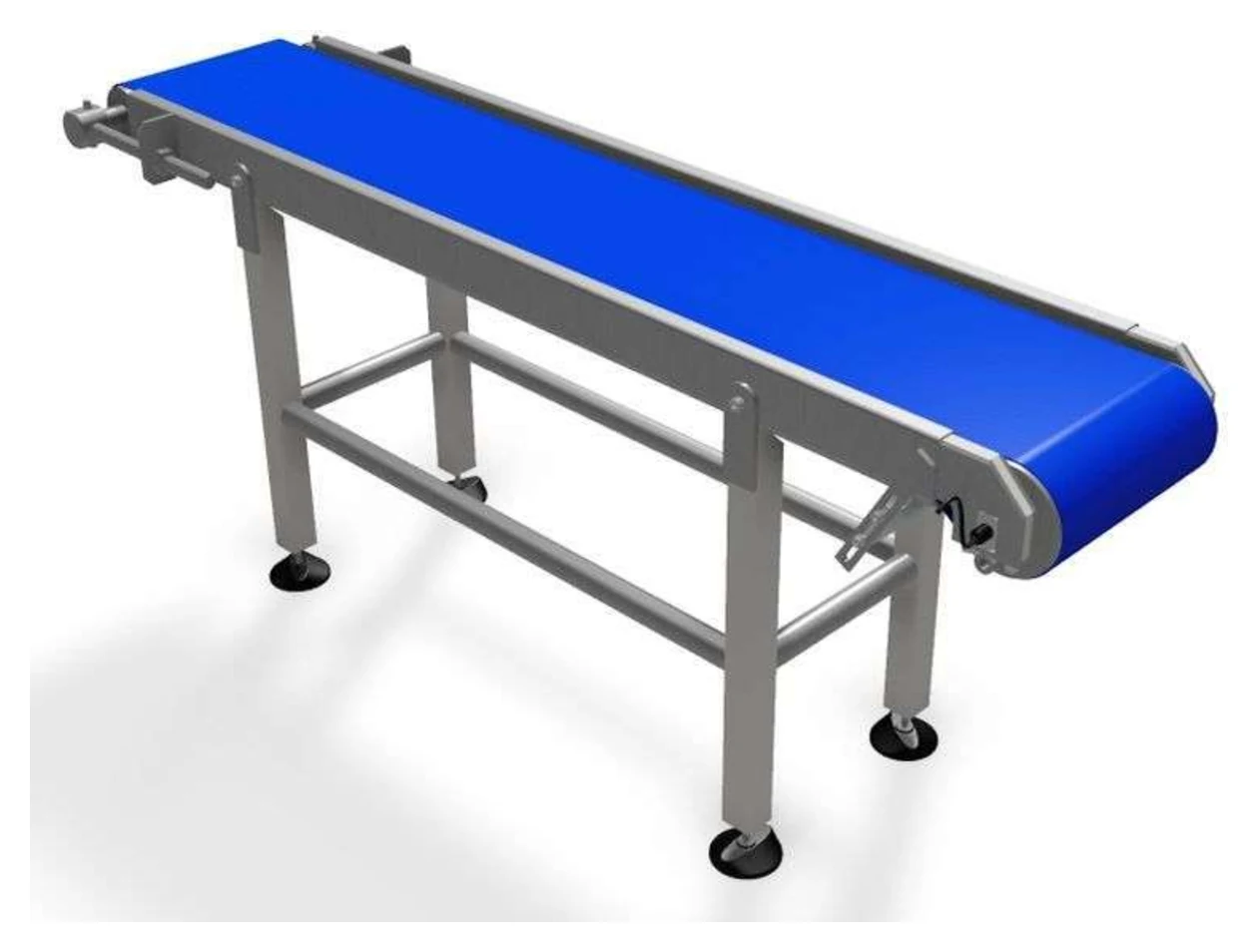
The detector can be supplied with a small roller diameter, so cookies, biscuits and other small baked products transfer cleanly on and off the belt instead of tipping or lodging in the gap. On short products that gap is the difference between a line that runs and a line somebody has to stand at.
Available in any width
Cake and bakery lines are often far wider than a standard aperture allows. Because we fabricate the frames and build the coils ourselves, the detector is made to the width of your line rather than the line being adapted to the machine.
Beyond dimensions, dry product is where the numbers are good: product effect is low, so achievable sensitivity is among the best in food production. The two things that genuinely limit a bakery installation are packaging and speed.
Metallised film and foil trays are metal themselves. A conventional metal detector cannot distinguish the packaging from a contaminant, so with those materials the detector sits before packing — or the task needs X-ray. If you are unsure whether your packaging is a problem, send a sample with packaging to our test centre and we will measure it.
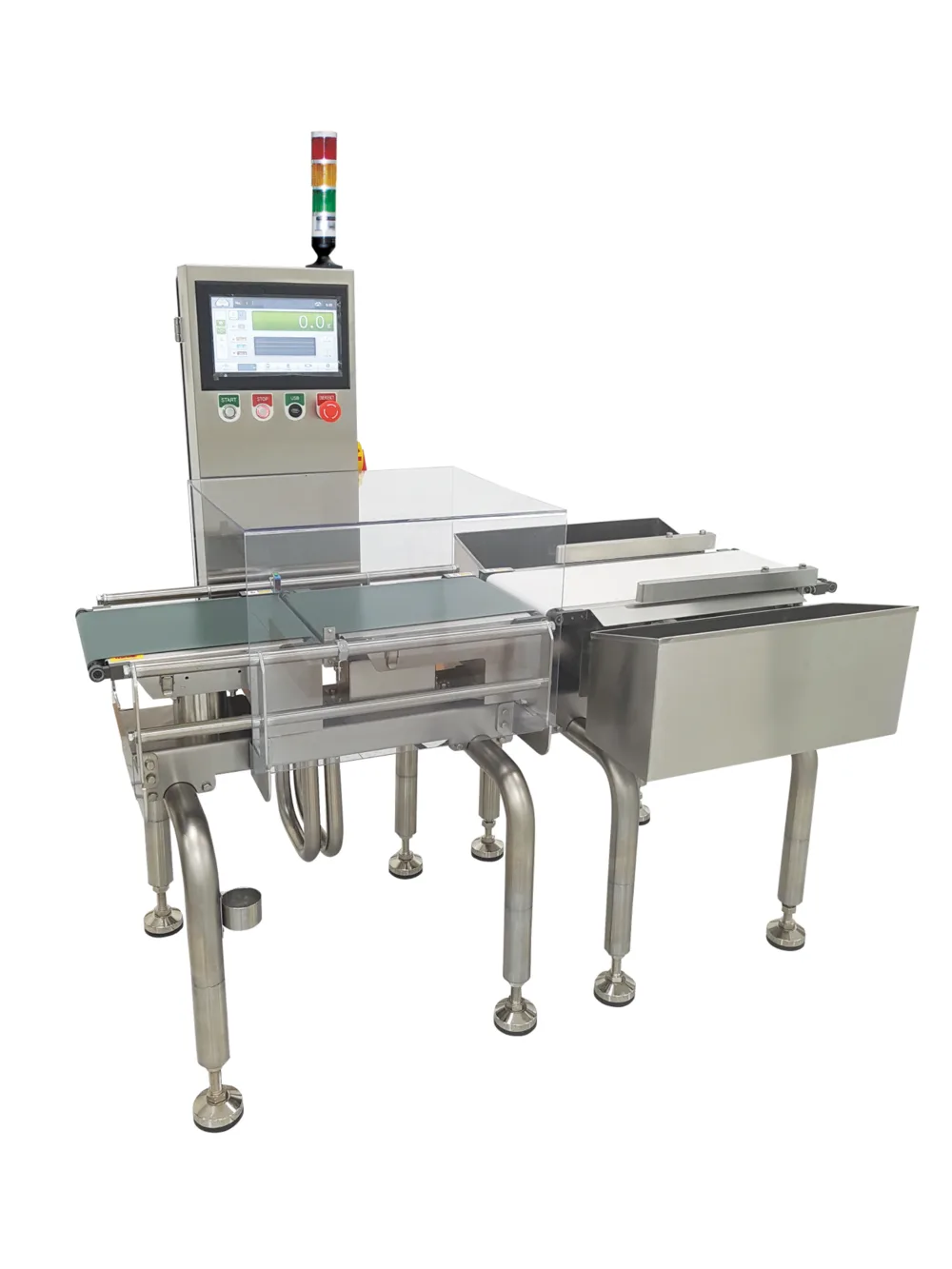
At high line speed the bottleneck is rejection, not detection. The pusher or air blast has to hit the right item, and on densely packed lines that can mean rejecting neighbours to be certain — a trade-off between product loss and safety worth calculating before the system is chosen.
Sie sind sich nicht sicher, was in Ihrem spezifischen Produkt erkannt werden kann? Schicken Sie uns ein Muster. Sie erhalten einen schriftlichen Prüfbericht mit Falschablehnungsrate und Detektionswahrscheinlichkeit – kostenlos und normalerweise innerhalb einer Woche.

What we typically supply
Finished goods
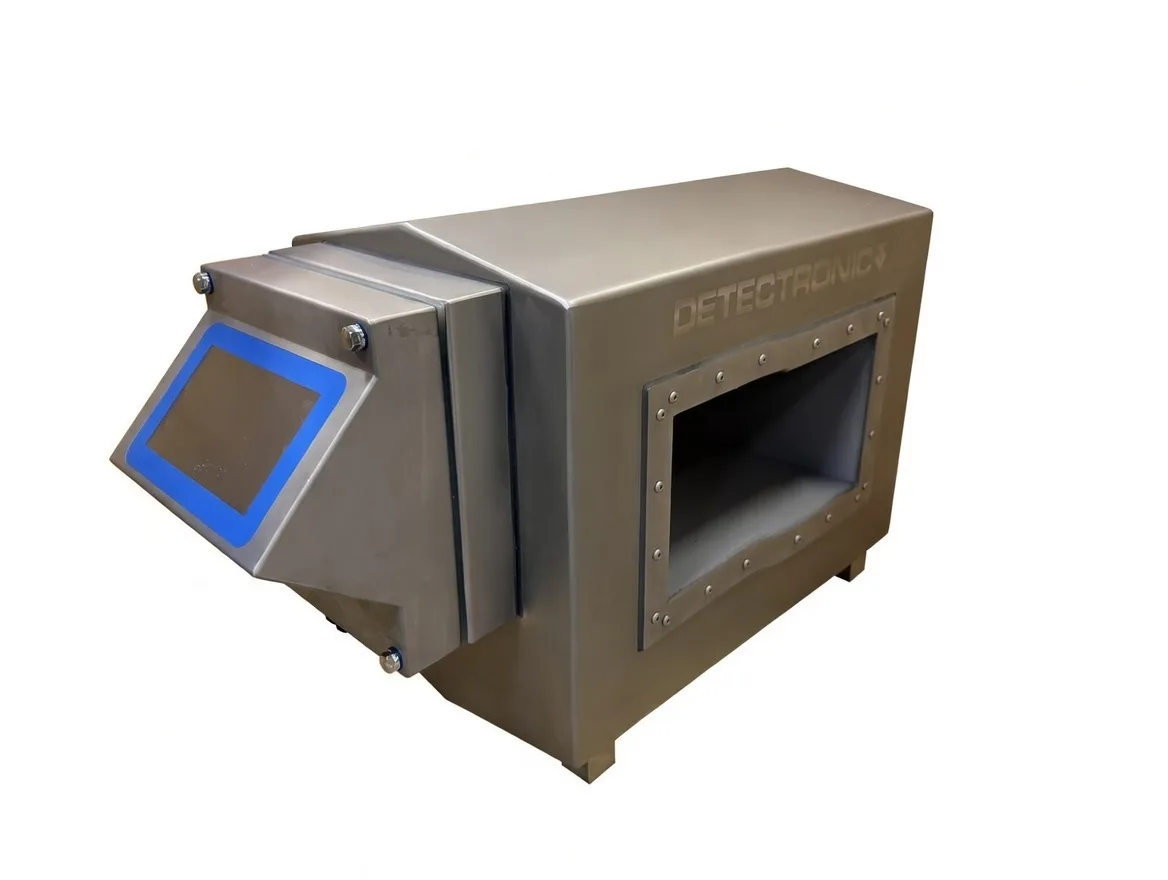
Complete unit with conveyor and fast reject after the packing machine.
Flour and ingredients
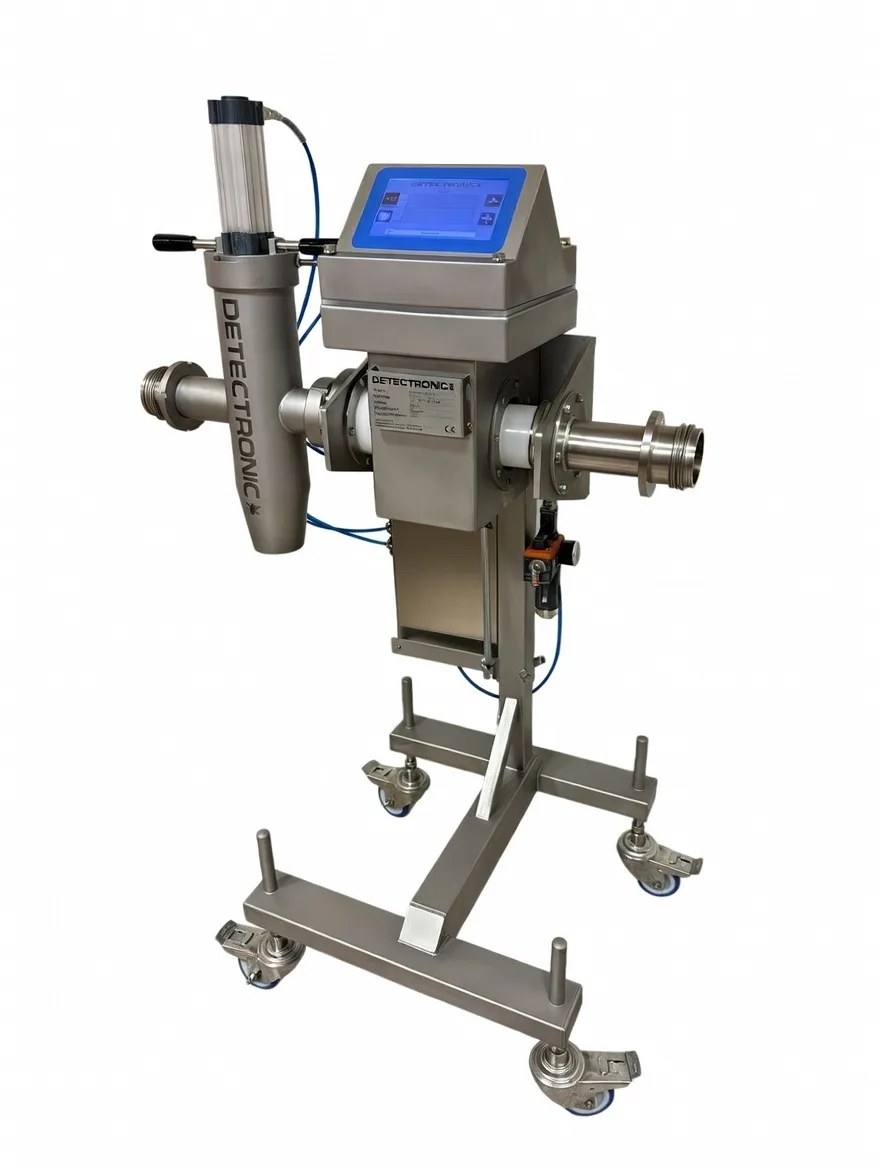
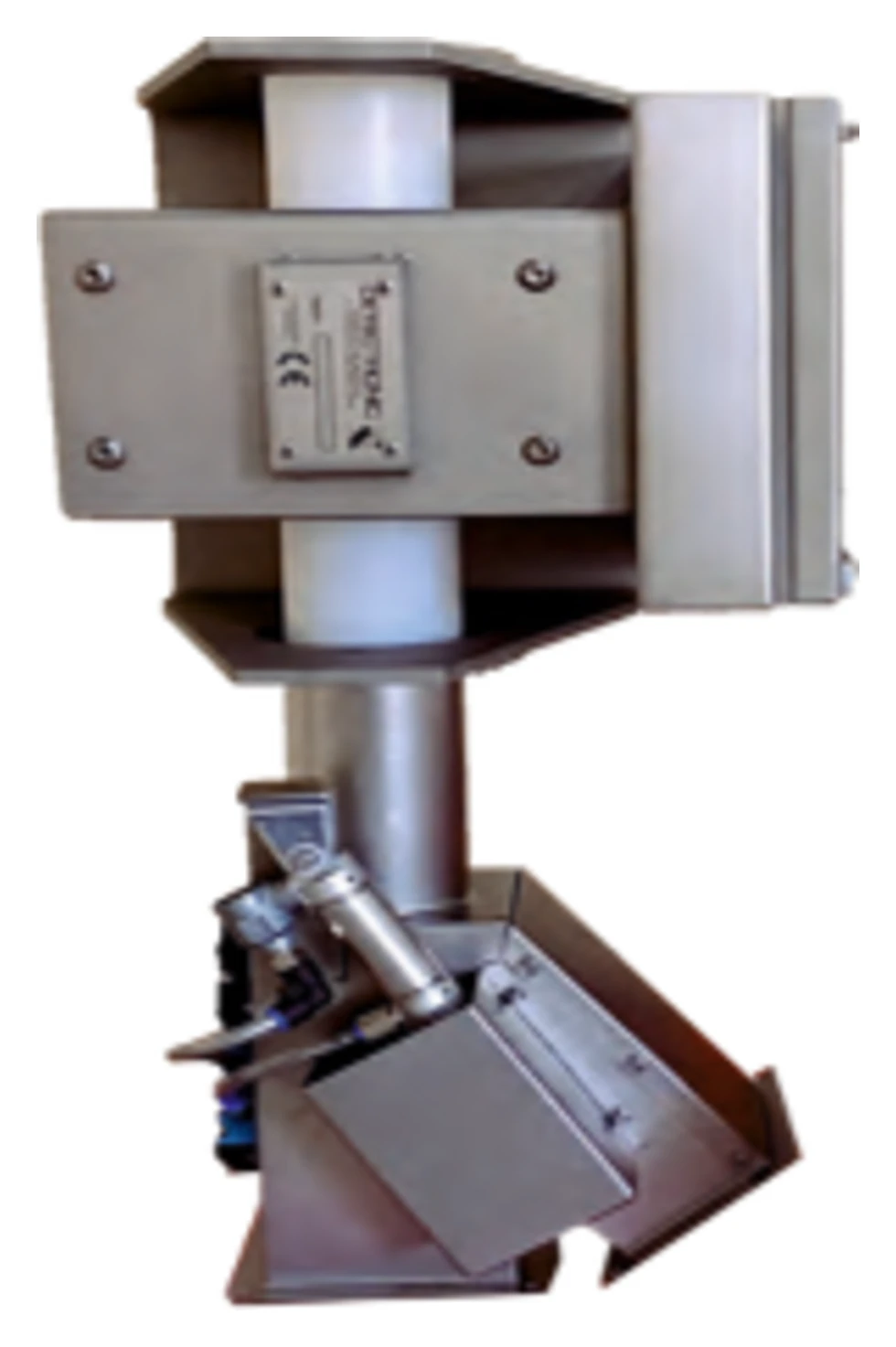
Free-fall detector in the drop pipe at intake or after sifting.
Small and wide products
Detector built with a small roller diameter for biscuits and cookies, or to the full width of a cake line.
Dry product is where you get the best numbers
Because product effect is low, bakery and snack applications usually achieve the smallest detectable sphere sizes of any food sector. That is worth exploiting: specify the aperture tightly, and you get sensitivity that a wet-environment plant simply cannot reach.
It also means there is rarely a good excuse for a loose critical limit here. If your HACCP plan specifies a figure well above what the line can actually achieve, an auditor may reasonably ask why.