












Metal detection for ready meals and convenience food
Ready meals combine several problems in one product: multiple components with different conductivity, trays that may be foil, sauces that conduct, and lines that are frequently new and still being commissioned.
A multi-component product has multiple sources
- Everything the ingredients bring with them. A ready meal contains meat, vegetables, sauce and starch — each with its own upstream supply chain and its own contamination history
- Dicing and portioning equipment handling multiple components in sequence
- Filling and dosing heads on sauce and gravy stations
- Tray sealing equipment and film cutting knives
The sauce decides the sensitivity, not the meat
In a multi-component meal the detector sees the whole pack. The component with the strongest product effect — usually a salted sauce or gravy — sets the achievable sensitivity for the entire product, even if the rest of the meal would be easy.
That has a practical implication when specifying: test the finished, assembled meal in its final packaging, not the individual components. The figures will be different, and only the finished-product figure is the one you can defend in a HACCP plan.
If the tray is foil or the lidding film is metallised, detection after sealing may not be possible at all. In that case the inspection point moves before sealing — or the application needs X-ray.
Er du ikke sikker på, hvad der kan registreres i dit specifikke produkt? Send os en prøve. Du får en skriftlig testrapport med fejlforhold for afvisning og sandsynlighed for detektion – gratis og normalt inden for en uge.
Det vi normalt leverer
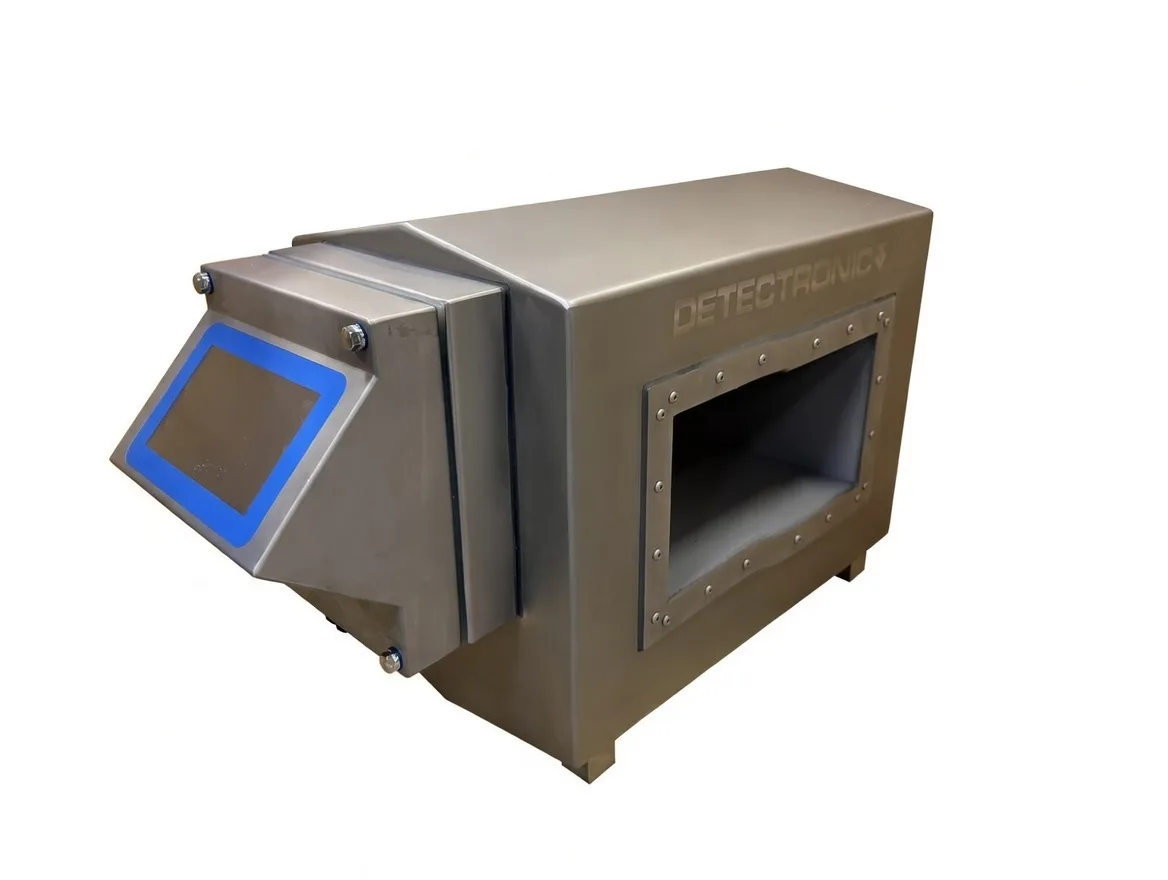
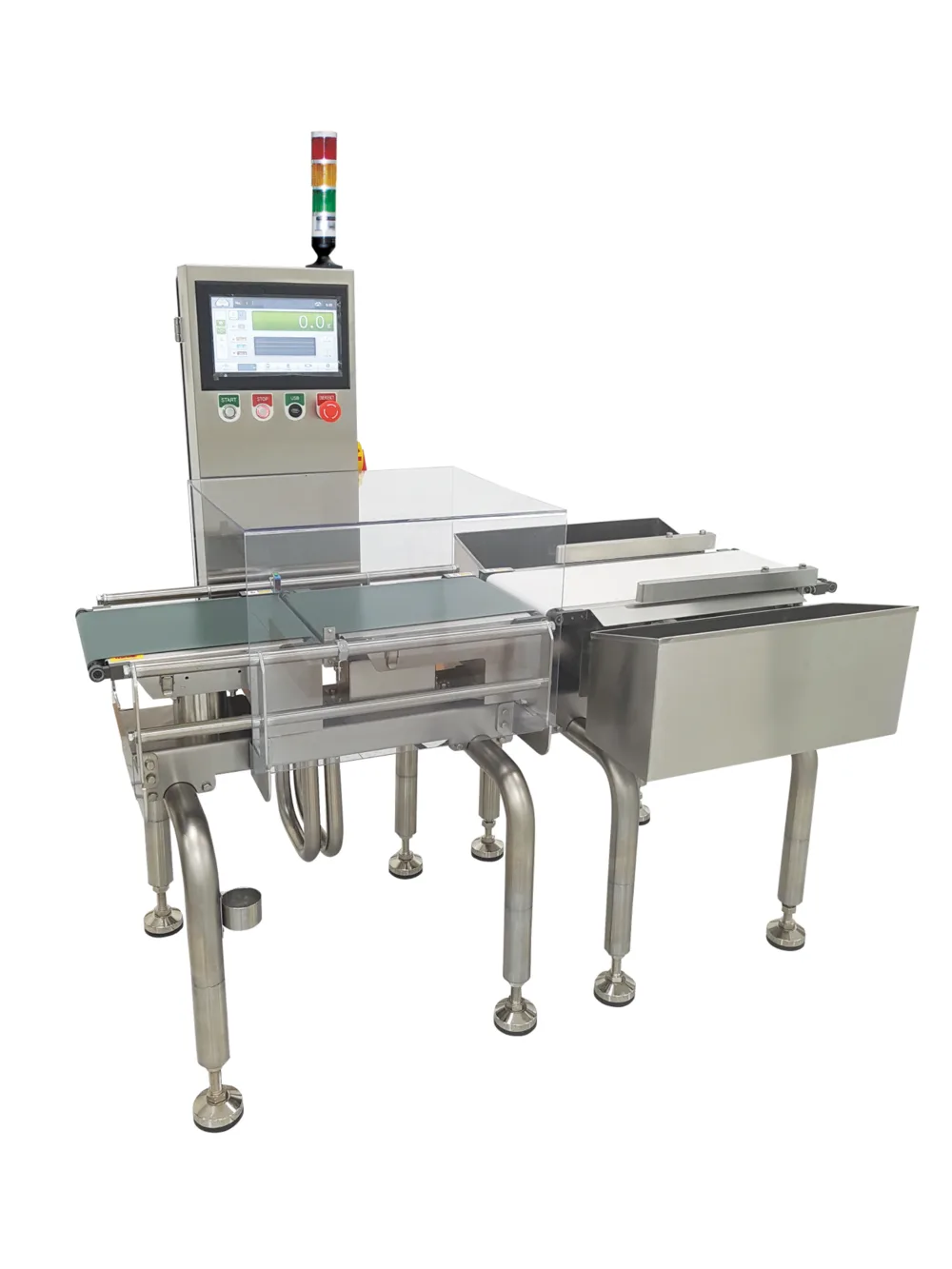
Finished packed meals
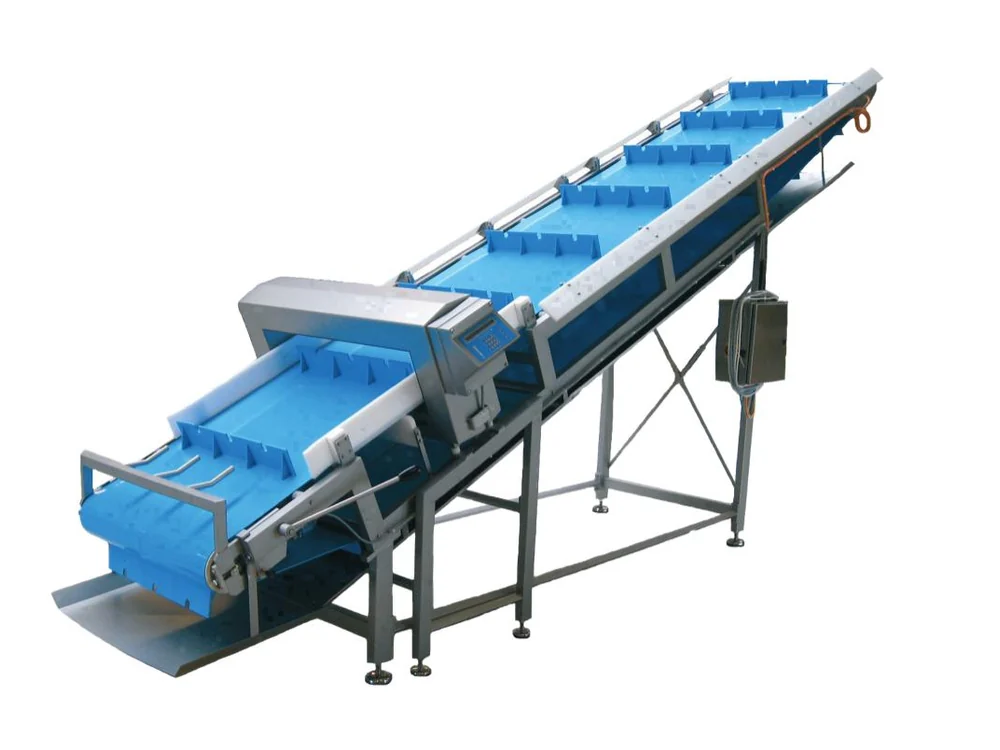
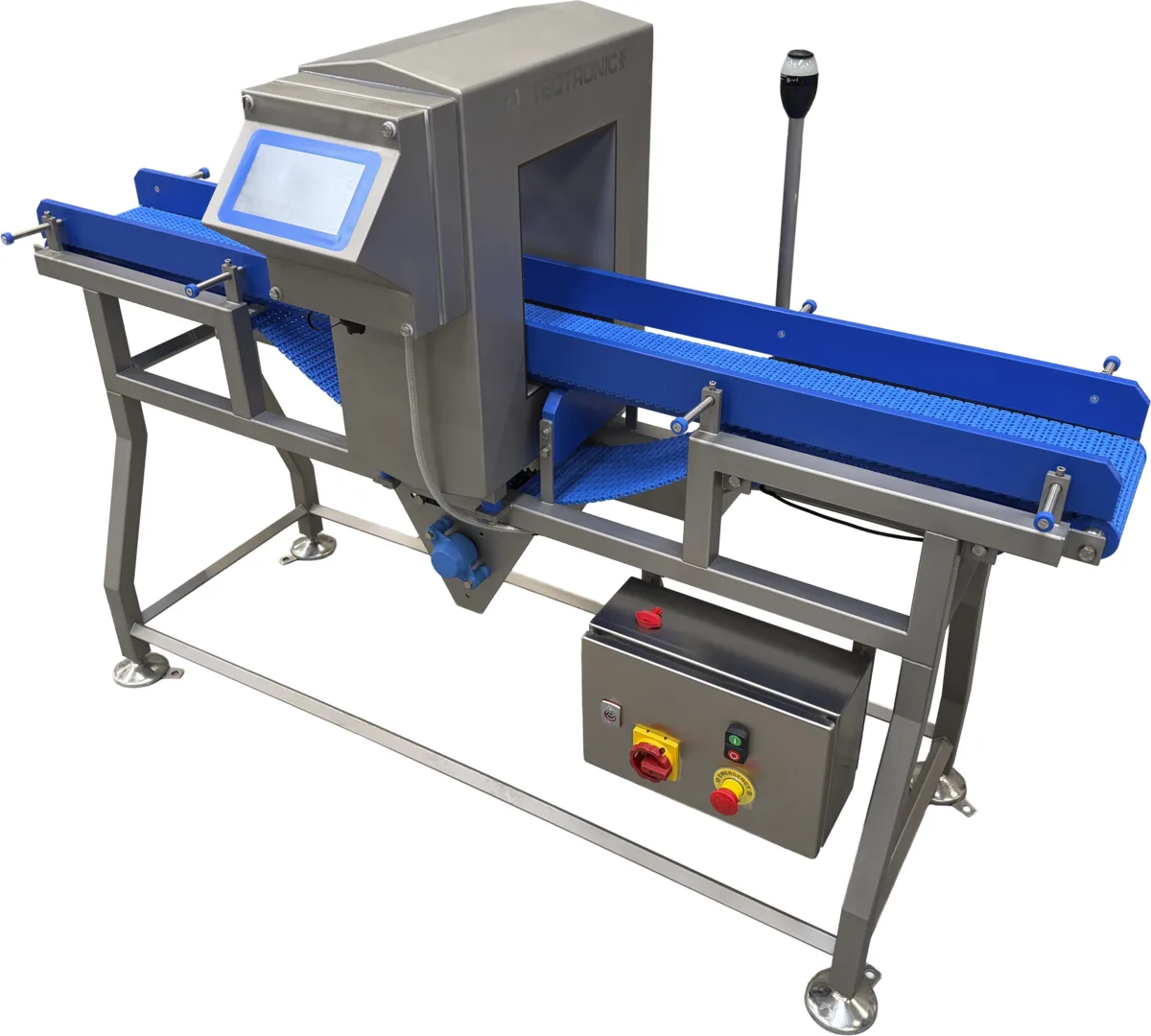
Complete unit with conveyor and reject after tray sealing.
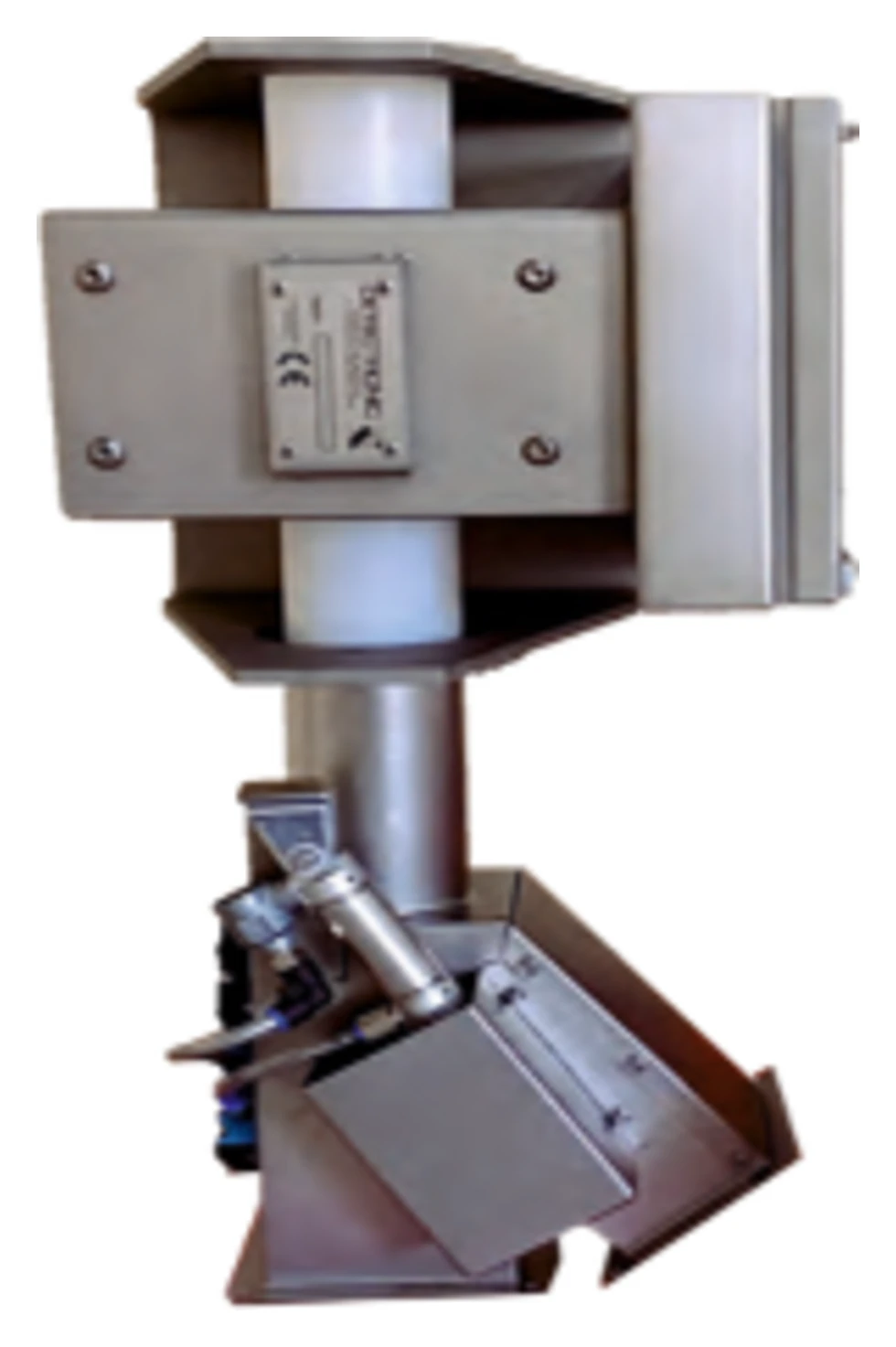
Before assembly
Detector head over the component line, before the meal is assembled and sealed.
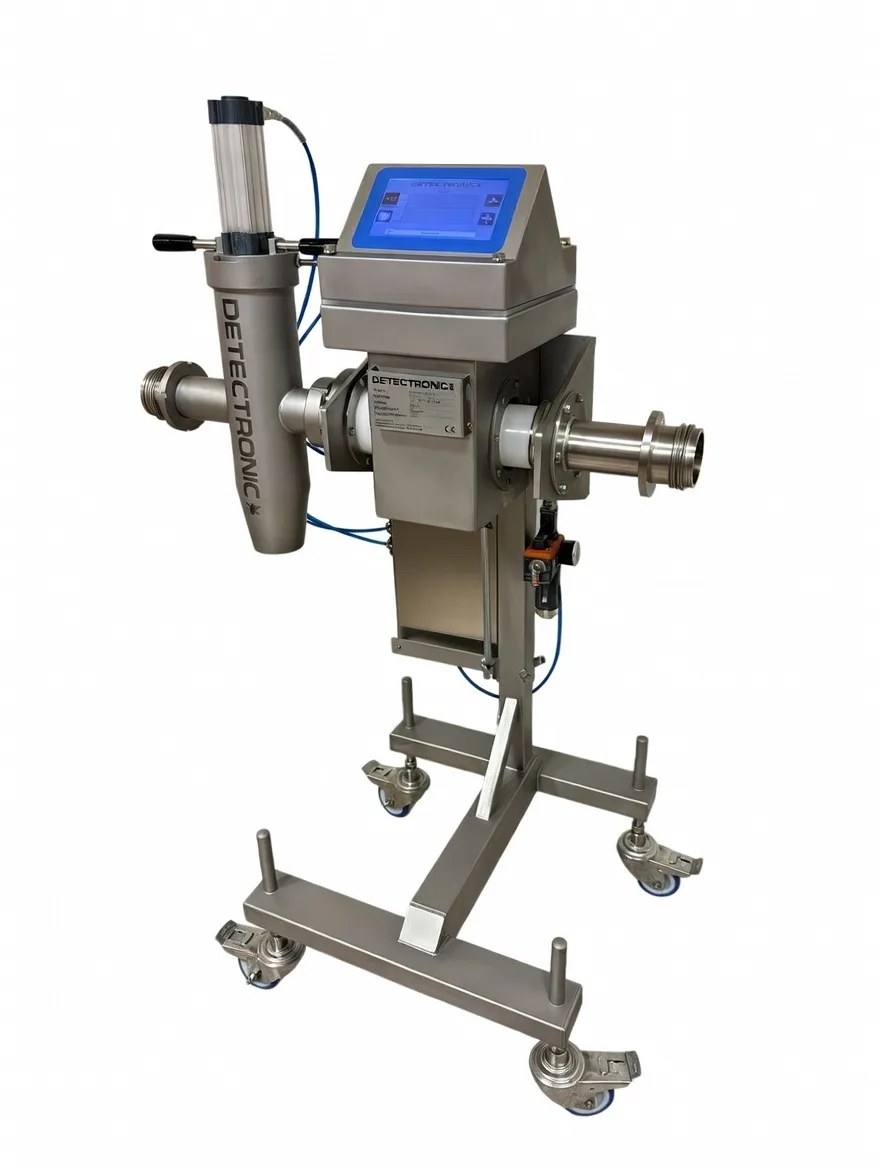
Sauces and gravies
Pipeline detector in the sauce circuit before dosing.
New lines are the best moment to get this right
Convenience is one of the fastest-growing segments, which means a lot of lines are being built rather than retrofitted. Specifying detection at the design stage is dramatically cheaper than retrofitting: aperture size, belt height and reject arrangement are free decisions on a drawing and expensive ones on a commissioned line.
If you are working with a machine builder or integrator, we supply detector heads with interface drawings so the detection module does not hold up the project.