










Metal detection for fish and seafood
Fish and shellfish are the hardest detection task in food production. Salt and water conduct, and the product's own signal resembles metal. At the same time the equipment stands permanently in a wet environment. Both are exactly what our detectors are built for.
The same detector may find a small sphere in a dry product and only a considerably larger one in salted, wet fish. That is why a test on your own product is not a formality — it is the only figure you can put in your HACCP plan.
What typically turns up in fish processing
- Hooks and hook fragments from line fishing that were not removed during gutting
- Wire from nets and cages, often stainless steel
- Knife fragments from filleting and heading machines
- Parts from peeling and grading machines — screws, springs, worn bushings
- Staples and clips from boxes and packaging at intake
Seawater, brine and ice — all of it conducts
Fish contains both a lot of water and a lot of salt. Brine, glazing and ice do not help. For the detector that means the strongest product effect found anywhere in food production.
On top of that, frozen and thawed versions of the same product behave differently in the detector's field. A detector set for frozen product will produce false rejects on the thawed version — and the other way round. That is handled with separate product programmes the operator switches between at product change.
Er du ikke sikker på, hvad der kan registreres i dit specifikke produkt? Send os en prøve. Du får en skriftlig testrapport med fejlforhold for afvisning og sandsynlighed for detektion – gratis og normalt inden for en uge.
Permanently wet is harder than periodically wet
In seafood processing the line is not just wet during cleaning — it is wet all the time. Ice water, melt water and washdown water stand around the equipment continuously. This is where ingress protection stops being a datasheet specification and becomes operating economics.
Detectronic has developed detectors constructed to operate submerged. In seafood that is not a curiosity — it is the relevant design assumption.
IP68IP69KBuilt for submerged operation
Det vi normalt leverer
Packing and portioning
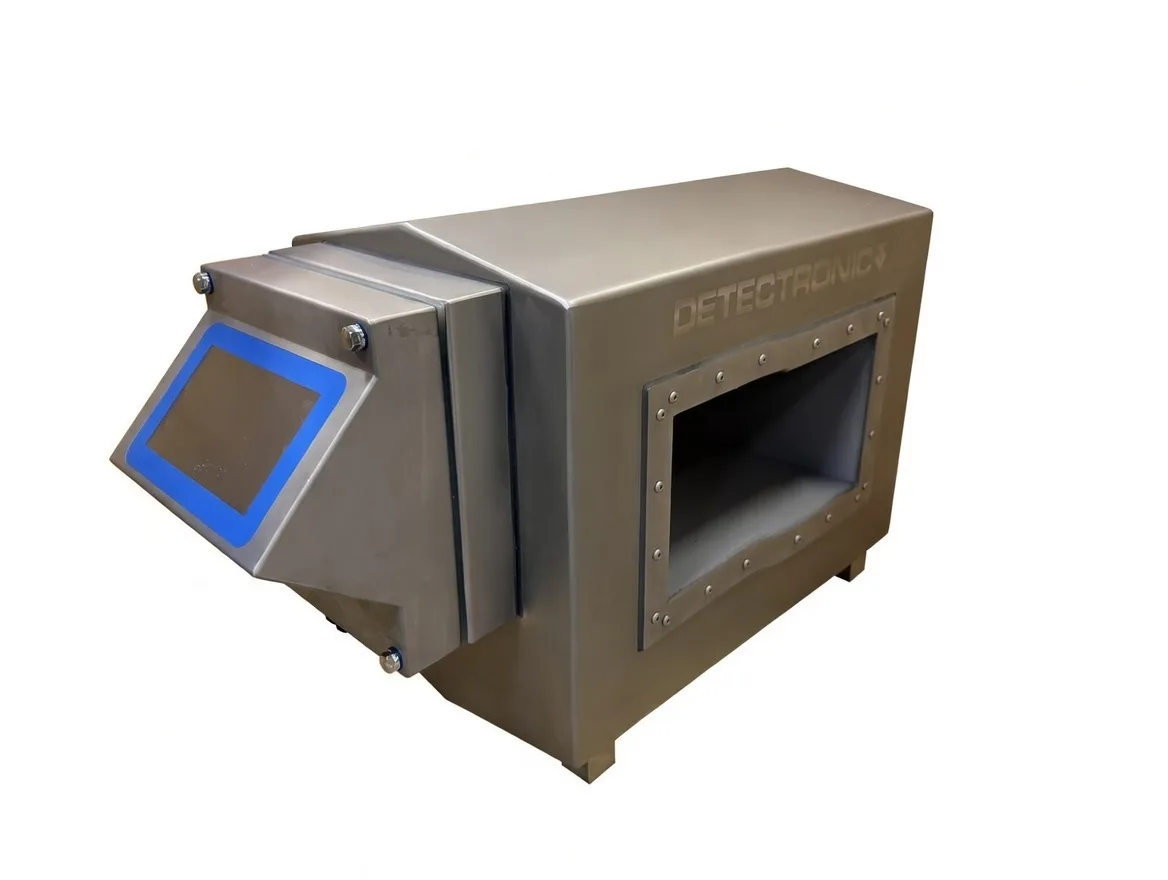
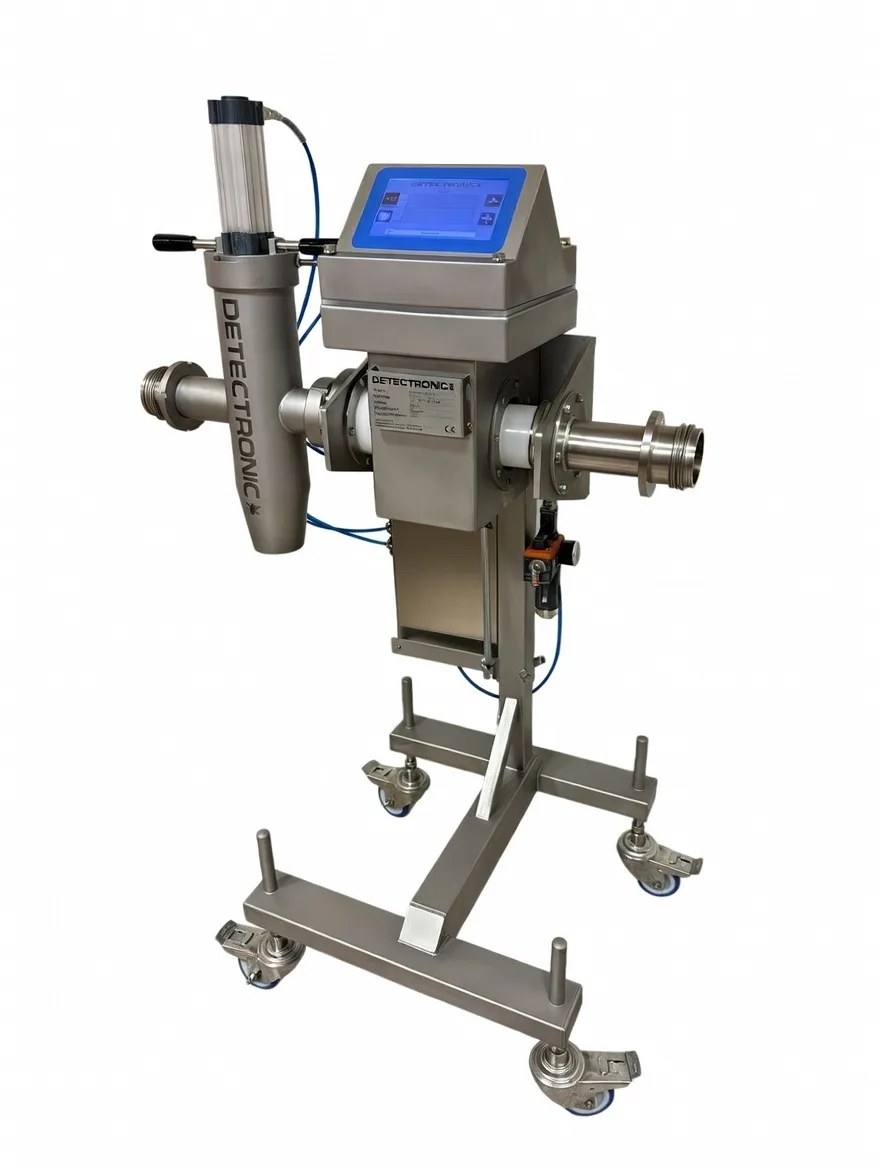
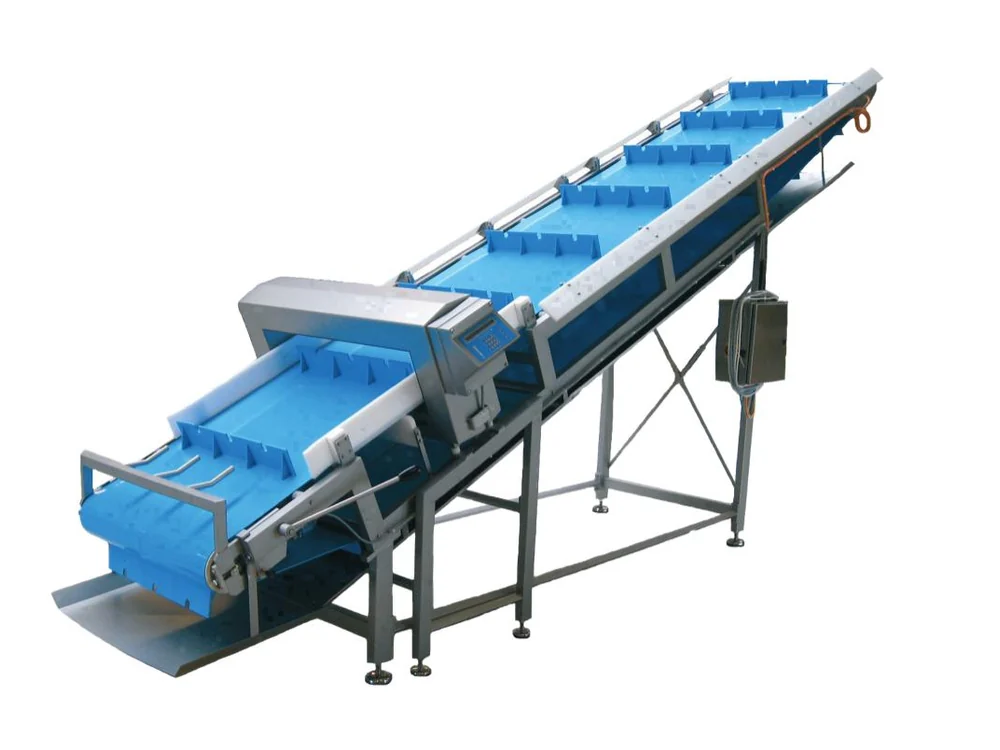
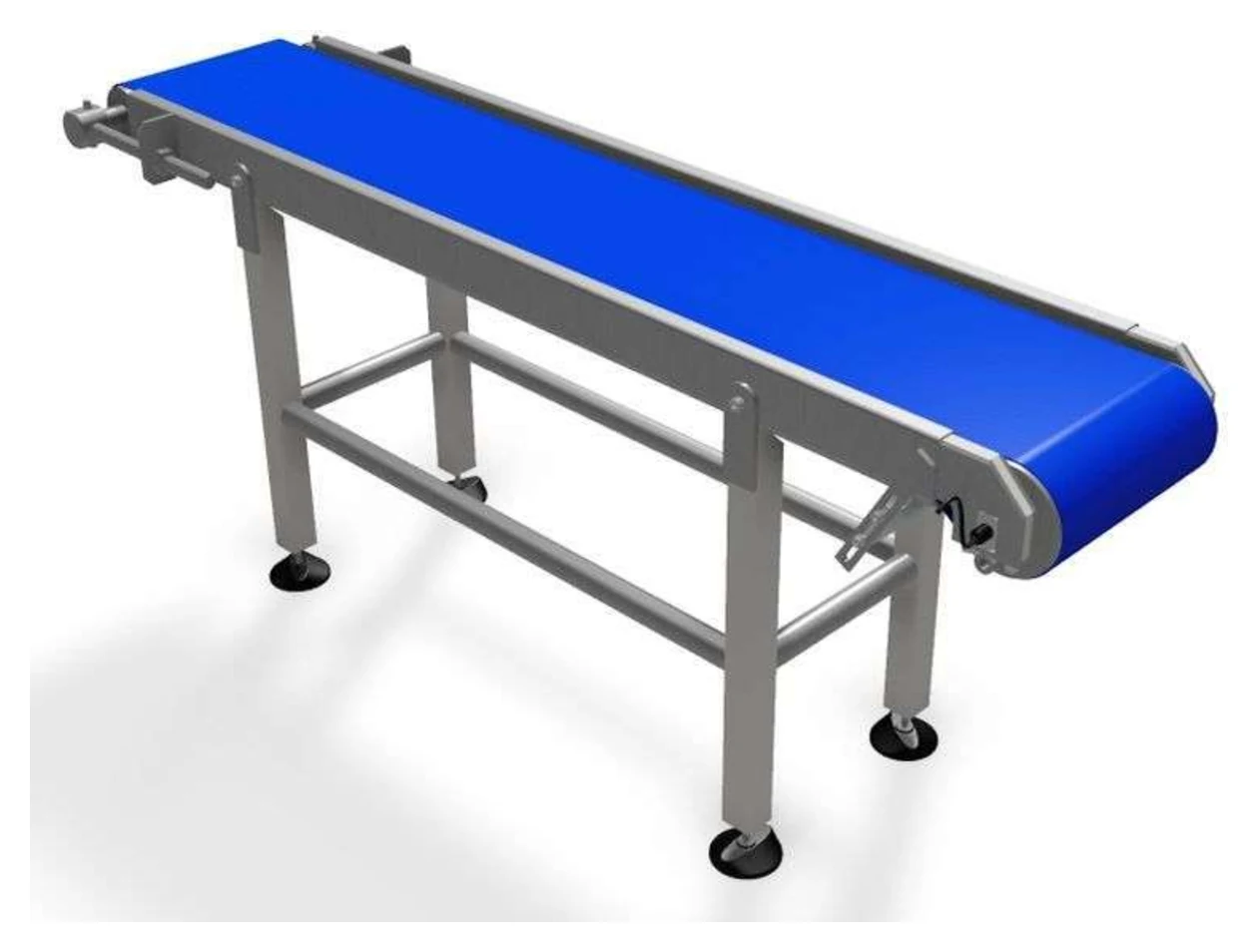
Complete unit with conveyor and reject, built for a permanently wet environment.
Filleting and peeling
Detector head in an existing line where product is unpacked.
Frozen blocks
Reinforced block conveyor system with large aperture for frozen blocks.
Running both frozen and fresh?
Then the product programmes should be established by testing both. Otherwise you end up with false rejects on one and insufficient sensitivity on the other — and in practice someone will solve that by turning the sensitivity down.
Send us a sample of each state. We test both and give you the figures for each, so the HACCP plan can specify a defensible critical limit per programme.